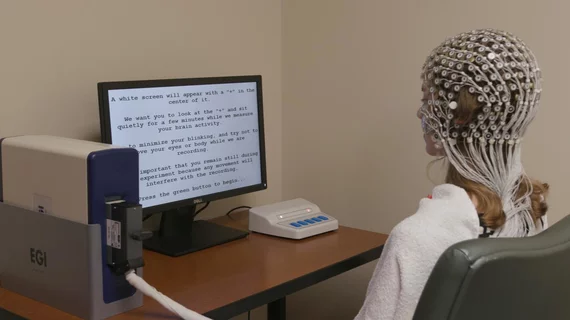
Machine learning-based algorithms can predict how patients will respond to antidepressants, according to new research published in Nature Biotechnology. The secret, the authors revealed, is electroencephalography (EEG) data.
Major organizations including the American Heart Association and Campaign for Tobacco-Free Kids have issued critical statements following the Trump administration’s 2021 budget proposal, which aims to abolish the FDA Center for Tobacco Products and establish a new agency within the Department of Health and Human Services.
Discussing discordant findings on breast cancer screening exams improves care, and international experts believe the U.S. should reconsider its "single-reader paradigm," they wrote in Radiology.
Research out of the Yale School of Public Health in New Haven, Conn., has revealed a relationship between rosiglitazone, a type 2 diabetes drug, and heart disease.
A recent review of pivotal cancer drug trials suggests that CVD and adverse cardiovascular outcomes are underreported in studies of new cancer therapies, despite an increasing risk of cardiotoxicity in oncological drugs.
Randall Batemen, MD, principal investigator of the research and a neurologist at Washington University in St. Louis, told the New York Times the results were "really crushing."
Where to set the minimum wage, or whether to set one at all, is one of the most contentious political questions in these divided times. A new study focused on health outcomes may give argumentation ammunition to all sides.