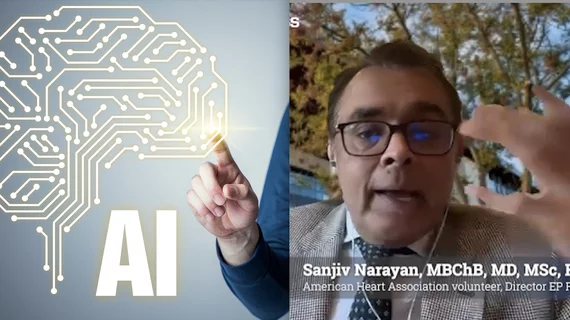
AI-based tools are here to stay, but one expert does not see them replacing cardiologists anytime soon. Look at recent trends in radiology, he says, to get a better idea of what cardiology's future may look like.
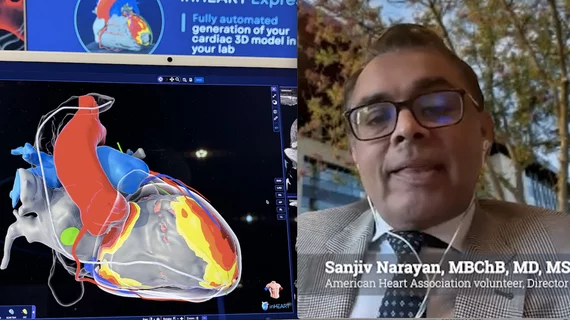
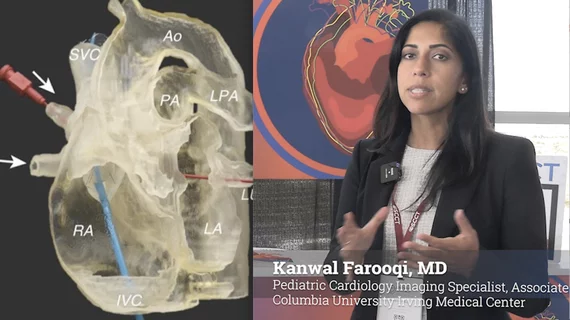
3D models can improve the visualization of challenging cardiac anatomy in addition to supporting clinical decision-making, education and procedural planning.
In this new video, pediatric cardiologists discuss some of the long-term issues associated with multisystem inflammatory syndrome in children (MIS-C), a rare disease linked to COVID-19.
John Gaede, director of information systems, Sky Lakes Medical Center, Oregon, discusses how the hospital's IT team overcame a ransomware attack in 2020 and restored radiology in about two weeks.
Peter Libby, MD, a cardiovascular medicine specialist with Brigham and Women’s Hospital and Harvard Medical School, explained some key takeaways from the PROMINENT trial.
Northwestern's Clyde Yancy, MD, discusses how his health system is addressing health access equity issues with plans to open a new outpatient clinic on the historically Black Chicago South Side.
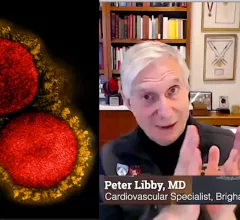
Peter Libby, MD, a cardiovascular medicine specialist at Brigham and Women’s Hospital, explains his research into COVID-19 and how it damages the endothelium of blood vessels.