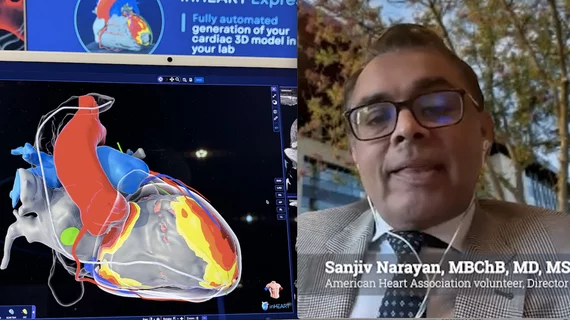
AI-based tools are here to stay, but one expert does not see them replacing cardiologists anytime soon. Look at recent trends in radiology, he says, to get a better idea of what cardiology's future may look like.
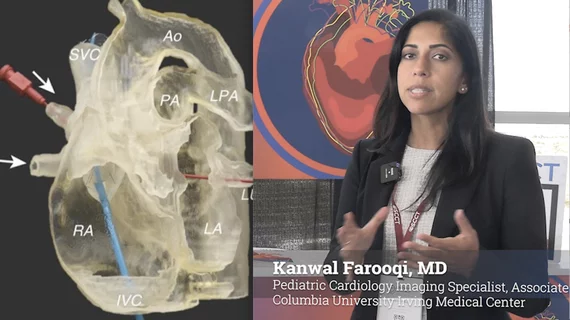
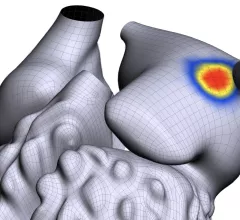
3D models can improve the visualization of challenging cardiac anatomy in addition to supporting clinical decision-making, education and procedural planning.
While the ACC/AHA 2021 Chest Pain Assessment Guidelines included cardiac CT angiography as a top level recommendation, gaps in evidence still need to be filled.
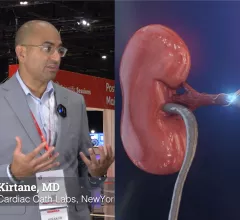
Ajay Kirtane, MD, director of the cardiac catheterization laboratories at NewYork-Presbyterian/Columbia University Irving Medical Center, explained the most recent clinical trial data on this topic.
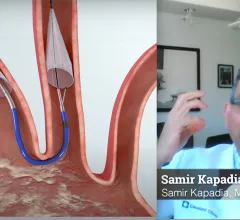
Samir Kapadia, MD, chair of the department of cardiovascular medicine at Cleveland Clinic, shared his perspective on the use of cerebral protection devices during TAVR procedures.
Brent Savoie, MD, JD, vice chair for radiology informatics, section chief of cardiovascular imaging, Vanderbilt University, explains who will get sued when there is a misdiagnosis due to artificial intelligence (AI).
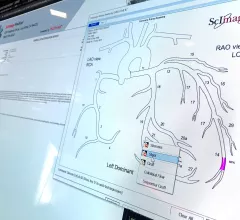
Signify Research shares the latest big trends in cardiovascular IT systems, including the role of EMR cardiology modules vs. third-party CVIS, structured reporting, integration into enterprise imaging and inclusion of ambulatory surgical centers.
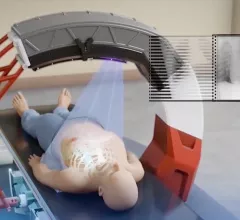
Bhvita Jani, research manager at Signify Research, explains advances in cold-cathode X-ray tube technology and how this might represent a major shift in radiology imaging systems.
Peter Libby, MD, a cardiovascular medicine specialist with Brigham and Women’s Hospital, discussed the cases of AFib being seen in long-COVID patients.