AI-based tools are here to stay, but one expert does not see them replacing cardiologists anytime soon. Look at recent trends in radiology, he says, to get a better idea of what cardiology's future may look like.
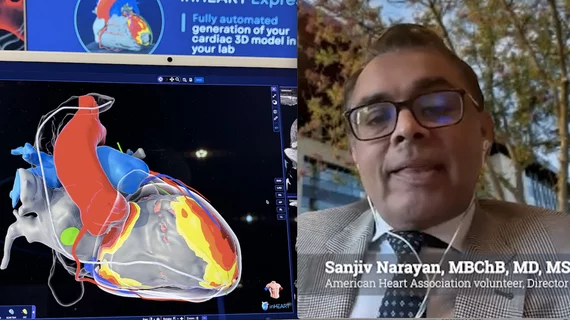
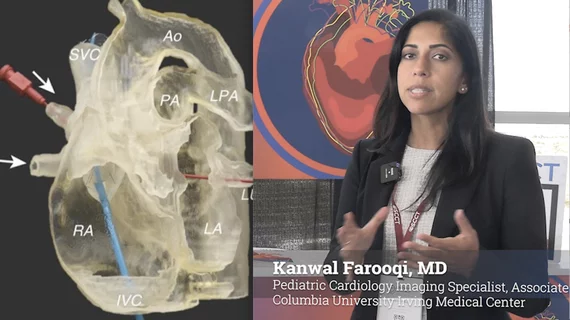
3D models can improve the visualization of challenging cardiac anatomy in addition to supporting clinical decision-making, education and procedural planning.
Robert Califf, MD, MACC, a veteran cardiologist, delivered the keynote speech at SCCT 2026 and then spoke to Cardiovascular Business about where the country's healthcare system is headed.
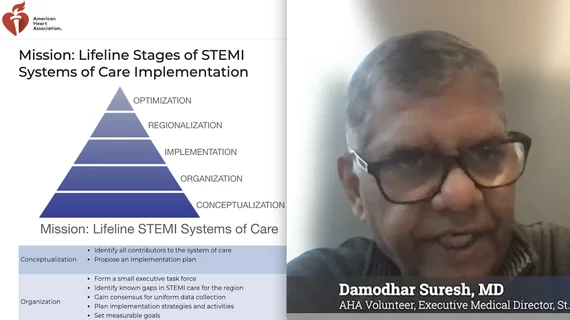
"Data should simply be a measure of a broader organizational objective," one expert explained. "When the data becomes the goal, that's where organizations can get into trouble."
While the technology remains investigational in many practices, researchers say it has the potential to improve diagnostic accuracy, streamline AI development and strengthen radiology quality assurance.
Medaxiom CEO Jerry Blackwell, MD, MBA, FACC, discusses investor's interest in buying cardiology practices, noting that PE ownership remains relatively low.