This channel includes news on cardiovascular care delivery, including how patients are diagnosed and treated, cardiac care guidelines, policies or legislation impacting patient care, device recalls that may impact patient care, and cardiology practice management.

Of surveyed and interviewed U.S. physicians who showed significant six-month improvement in follow-up vs. baseline wellness checks, 47% attributed the gain to active personal changes. Not far behind were those who credited active work-related changes—40% of the field.
Readmission rates are getting lower over time among patients treated at nonprofit hospitals. At for-profit facilities, meanwhile, readmission rates have stayed relatively unchanged.
The Heart Failure Society of America has released a new comprehensive look at HF clinics in the United States. The report includes more than 300 programs that serve approximately 626,000 patients.
AI-based tools are here to stay, but one expert does not see them replacing cardiologists anytime soon. Look at recent trends in radiology, he says, to get a better idea of what cardiology's future may look like.
If lifestyle medicine is to help U.S. healthcare improve care while reducing costs, the specialty is going to need a hand collecting and coding data at various points of patient care and engagement.
The new health system will have a combined footprint across Illinois, Wisconsin, North Carolina, South Carolina, Georgia and Alabama, serving approximately 5.5 million patients.
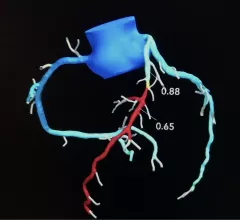
CT-FFR, which recently got a boost from the 2021 AHA/ACC chest pain guidelines, could play a key role for clinicians hoping to screen TAVR patients for coronary heart disease.
As a result, the company stated it will pause the practice of prescribing controlled substances as a treatment for ADHD such as Adderall and Ritalin for new patients starting May 9.