This channel includes news on cardiovascular care delivery, including how patients are diagnosed and treated, cardiac care guidelines, policies or legislation impacting patient care, device recalls that may impact patient care, and cardiology practice management.

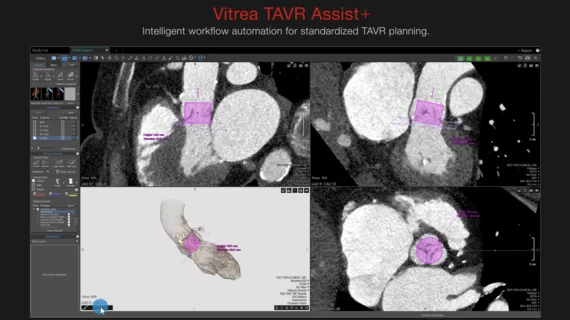
TAVR Assist+ was built to capture patient measurements and perform other straightforward tasks. This gives cardiologists more time to make critical treatment decisions.
State Attorney General Ken Paxton announced the probe on Monday, citing media reports that show the insurer could have engaged in “deceptive practices.” No formal lawsuit has been filed.
Answer to the headline above: Only if traditional Medicare (TM) beneficiaries for Parts A and B would be OK with $10,000 as the cap and taxpayers don’t mind footing a bigger bill for Medicare.
The AHA recognized more than 2,700 U.S. healthcare organizations for managing patients with high blood pressure, high cholesterol and/or type 2 diabetes.
TAVR Assist+ was built to capture patient measurements and perform other straightforward tasks. This gives cardiologists more time to make critical treatment decisions.
State Attorney General Ken Paxton announced the probe on Monday, citing media reports that show the insurer could have engaged in “deceptive practices.” No formal lawsuit has been filed.
Answer to the headline above: Only if traditional Medicare (TM) beneficiaries for Parts A and B would be OK with $10,000 as the cap and taxpayers don’t mind footing a bigger bill for Medicare.
The AHA recognized more than 2,700 U.S. healthcare organizations for managing patients with high blood pressure, high cholesterol and/or type 2 diabetes.
Research has shown that mistreatment at the hands of patients and other visitors is one of the leading drivers of burnout in the U.S. healthcare system. The new Cardio Safe initiative was built to combat that issue and protect the well-being of cardiologists and other cardiovascular health professionals.
Analyzing more than 1,500 cases of patients who got sent from an acute-care hospital to an ostensibly more-capable facility, Harvard researchers have found 1 in 4 such transfers could—and probably should—have been avoided.
The American Heart Association, American College of Cardiology and other U.S. medical societies have collaborated on new recommendations that cover everything from preoperative patient evaluations to postoperative care.