This channel includes news on cardiovascular care delivery, including how patients are diagnosed and treated, cardiac care guidelines, policies or legislation impacting patient care, device recalls that may impact patient care, and cardiology practice management.

The ankle-brachial index, a noninvasive diagnostic test for peripheral artery disease, may provide even more value than clinicians previously realized.
In hospitals serving mentally unstable patients, it’s no easy job to balance sensitive patient treatment with effective worker safety. One U.S. institution has been finding out just how hard it can be.
Manufacturer ICU Medical is aware of the issue, which stems from a report from an unnamed healthcare organization. The company and the FDA are asking providers to monitor IV lines for any signs of particulates.
Primary care providers can significantly improve practice performance as well as patient satisfaction by making one workaday adjustment: leaving some appointment slots open to accommodate walk-ins throughout the day.
While only a feasibility exercise, the study strongly suggests additional patient screenings would help deepen understanding of literacy and discrimination issues.
ISC 2024 in Phoenix has already featured several eye-opening late-breaking presentations. One study, for example, found that positioning a stroke patient's head differently before surgery can significantly decrease the risk of neurological complications.
It’s not easy to get patients, providers, payers, vendors and regulators to agree on any one aspect of healthcare delivery. But the CDRH recently managed to get everyone to settle on a working definition of transparency.
One of the world's leading heart hospitals is seeing significant growth. This represents the first time it has hired four new cardiothoracic surgeons in a single 12-month period.
Americans trust nurses and doctors less than they did a few years ago, but both professions still make the top five among 23 wide and varied work roles.
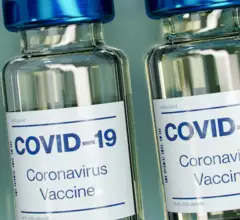
The latest COVID-19 vaccine began entering recipients’ bodies last September. Now comes early CDC data supporting the formulation’s general effectiveness.