Medical Imaging

Physicians utilize medical imaging to see inside the body to diagnose and treat patients. This includes computed tomography (CT), magnetic resonance imaging (MRI), X-ray, ultrasound, fluoroscopy, angiography,  and the nuclear imaging modalities of PET and SPECT. 

Thumbnail

Diffusion-weighted MRI beats PET/CT in predicting survival of cancer patients receiving radioembolization

A group of German researchers found diffusion-weighted (DW) MRI provided superior prognostic information compared to PET/CT in liver cancer patients who underwent 90Y radioembolization and proved more accurate in predicting overall survival in these patients.

Thumbnail

Director of National Cancer Institute discusses future of AI in imaging, cancer care

Officially sworn in this past October as the Director of the National Cancer Institute (NCI), Ned Sharpless, MD, believes that artificial intelligence will probably be in the future of cancer care.

Lawsuit claims Detroit attorney had undisclosed financial ties to MRI center

A lawsuit filed by State Farm Insurance claims Detroit attorney Mike Morse had an undisclosed financial relationship with Berkley, Michigan-based Horizon Imaging, an MRI provider that accepted referrals from Morse's law firm.

fMRI may improve predictions of cognitive decline in MS patients

Using functional MRI (fMRI), researchers from VU University Medical Center in Amsterdam found a correlation between white matter brain damage and atrophy in multiple sclerosis (MS) patients—a primary factor of cognitive impairment in patients with the disease.

Thumbnail

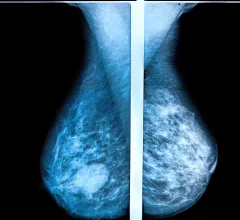
Yearly mammograms starting at 40 offer women the best odds of surviving breast cancer

Women who prioritize annual mammograms starting at the age of 40 have the greatest chance of catching, treating and surviving breast cancer, a study published this month in the Journal of the American College of Radiology suggests.

Thumbnail

Surveillance intensity doesn’t equate to earlier detection, improved survival in colorectal cancer patients

A recent JAMA study from University of Texas MD Anderson Cancer Center researchers found no correlation between intensity of post-treatment surveillance and detection of recurrence or survival in patients with stage I, II or III colorectal cancer (CRC).

Robot-assisted imaging may hasten treatment for prostate cancer patients

Researchers have successfully used robot-assisted multispectral-fluorescence imaging to distinguish between healthy and diseased lymphatic flow patterns.

Thumbnail

Fetal MRI can ID brain malformation earlier than traditional imaging

New research has found fetal MRI can reliably identify holoprosencephaly as early as 18 weeks into pregnancy, providing added time for parents to understand and prepare for the condition.