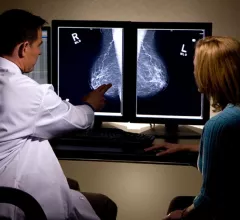
Oncology Imaging

Medical imaging has become integral to cancer care, assessing the stage and location of cancerous tumors. By utilizing powerful imaging modalities including CT, MRI, MRA and PET/CT, oncology imaging radiologists are able to assist referring physicians in the detection and diagnosis of cancer.


Thumbnail

Why breast imaging specialists need to ask patients about their tattoo history

Ink put into the skin can migrate to other areas of the body over time and, in some patients, mimic lymph node calcifications on mammograms.

‘Partial victory’: Imaging advocates say Humana relenting on some PET/CT payment restrictions

The health insurer reversed its coverage denial for imaging of gastric and esophageal oncologic indications, while other restrictions remain in place. 

Thumbnail

Standardized tumor reporting may ensure busy radiologists are front and center during cancer care

Consistent metrics would limit frustrating back-and-forths between rads and providers while also significantly enhancing patient care.

Thumbnail

Routine brain imaging should be considered in patients with advanced kidney cancer

Nearly 4% of individuals with renal cell carcinoma showed asymptomatic spread to the brain, oncologists reported in the April issue of JNCCN.

Thumbnail

Many women willing to pay more for screening MRI, particularly those with dense breasts

Only 34.7% of patients were happy with a mammography-only approach and many weren't worried about contrast imaging risks, according to a new single-center survey.

Thumbnail

DBT drops interval breast cancer rates—can it eventually replace digital mammography?

The prospective study compared nearly 15,000 women who underwent DBT and mammography to more than 26,000 in a digital mammo-only group.

Thumbnail

Risk-based triage can help radiologists prioritize mammograms during emergency situations

The algorithm incorporates clinical indication, breast symptoms, cancer history and age, researchers reported in JAMA Network Open.

black woman breast cancer pink ribbon

‘We’re going in the wrong direction’: Race, income, education impeding women’s access to DBT

Researchers analyzed 2.3 million exams performed over a seven-year period for their study, shared in JAMA Network Open.