Oncology Imaging

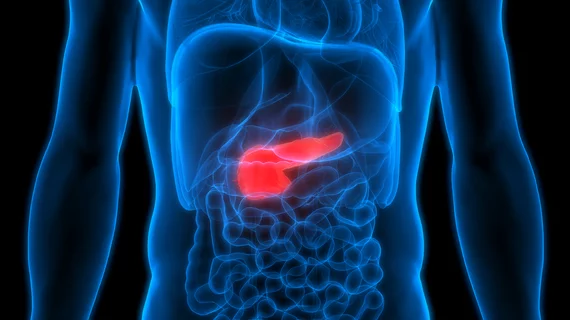
Medical imaging has become integral to cancer care, assessing the stage and location of cancerous tumors. By utilizing powerful imaging modalities including CT, MRI, MRA and PET/CT, oncology imaging radiologists are able to assist referring physicians in the detection and diagnosis of cancer.


Thumbnail

31% of childhood cancer survivors not concerned with future health, despite higher risk

A study of more than 15,000 childhood cancer survivors found a “surprisingly” high number lacked concern for their well-being in adulthood—despite the group’s increased health risks. Some 40 percent were unconcerned about developing new cancers.

CT, MRI determined her tumor was benign—but surgery revealed otherwise

Valerie Powell, a program coordinator with the University of Alabama at Birmingham’s department of radiation oncology struggled for eight years trying to figure out why a lump had formed under her jawline, with little help from CT and MRI.

Thumbnail

More vitamin D could ‘significantly’ lower breast cancer risk

“This study provides strong support that vitamin D plays an important role in breast cancer prevention,” said co-author of the study Joan M. Lappe, PhD, in a statement. “It also demonstrates that blood levels of vitamin D for breast cancer prevention need to be higher than currently recommended levels for bone health.”

Thumbnail

Most patients prefer cancer screenings—even when the risks top benefits

"Our findings show that people have a strong desire to do something to address the threat of cancer and that they would prefer to receive a screening test that does not save lives rather than not be screened at all," said lead author Laura Scherer, PhD.

Researchers ID new subtype of prostate cancer

Researchers from the University of Michigan Rogel Cancer Center have discovered a new subtype of prostate cancer that occurs in about 7 percent of patients.

Thumbnail

The mystery of 'chemobrain' and why imaging isn't revealing all the clues

Several aspects of cancer-related cognitive impairment are currently unknown, including why it occurs, how long it lasts and what other health problems it causes. But the real mystery lies in the wide-ranging estimates of how many cancer patients “chemobrain” actually impacts, according to an article in the Los Angeles Times.

Thumbnail

Novel radiation therapy method seeks to preserve sexual health

A multicenter clinical trial underway at UT Southwestern in Dallas is testing a new technique that would avoid nerve bundles and arteries commonly affected during prostate cancer radiation therapy in hopes of preserving patients’ sexual function.

2 studies find edited CRISPR cells may cause cancer

Cancer researchers are taking notice of a pair of studies published in Nature Medicine that found editing a cell’s genomes with CRISPR-Cas9 has the potential to seed cancer and may eventually generate the disease, STAT reports.