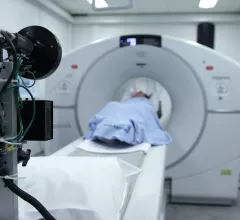
Oncology Imaging

Medical imaging has become integral to cancer care, assessing the stage and location of cancerous tumors. By utilizing powerful imaging modalities including CT, MRI, MRA and PET/CT, oncology imaging radiologists are able to assist referring physicians in the detection and diagnosis of cancer.

Cancer patients who undergo PCI face a higher risk of early mortality

Overall, PCI patients appear to face a higher risk of in-hospital mortality, 30-day mortality and in-hospital cardiovascular mortality if they present with an active or historical cancer diagnosis. The group's analysis included data from nearly 6.6 million patients.

Thumbnail

Machine learning model uses MRI data to identify candidates for liver transplant

When applied to MRI and clinical features, different machine learning models were recently shown to reliably predict post-treatment recurrences of hepatocellular carcinoma. 

Thumbnail

Deep learning system outperforms rads in brain tumor identification and classification

The new findings findings represent “a step toward improved tumor diagnoses," according to authors of a new study published in JAMA.

Thumbnail

EHR tracking system significantly improves diagnostic timelines for liver cancer patients

Implementing an EHR cancer tracking system to review radiology reports for abnormal findings resulted in patients at one Veterans Affairs Hospital receiving their cancer diagnosis and treatment months earlier than those who were imaged before the system was put into place.

Thumbnail

Radiation therapy more likely to cause second primary cancer in prostate cancer patients

The authors stated that their results should not deter providers from offering their patients radiotherapy treatment but rather encourage in-depth discussions and shared decisions pertaining to the best options.

Thumbnail

Hybrid multidimensional prostate MRI is 'a step in the right direction' for quantitative assessments

Using hybrid multidimensional MRI exams in lieu of multiparametric MRI for the assessment of prostate cancer could reduce interpretation times while increasing interobserver agreement. 

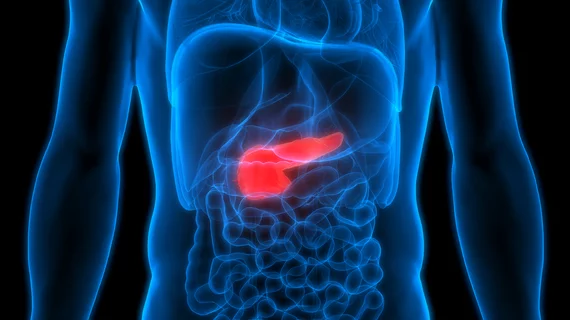
Imaging surveillance program detects pancreatic cancer in its earliest stages

Individuals at high risk of pancreatic cancer benefit from annual imaging and have decreased mortality rates compared to those who forgo preventive screening.  

Thumbnail

Reducing image-guided lung biopsy complications

Experts observed significantly reduced pneumothorax and pulmonary hemorrhage rates of 8% and 6% when utilizing the method.