Diagnostic screening programs help catch cancer, abnormalities or other diseases before they reach an advanced stage, saving lives and healthcare costs. Screening programs include, lung, breast, prostate, and cervical cancer, among many others.

New findings support the routine use of deep learning-based risk assessments, as this method can decrease subjectivity, reduce unnecessary imaging and improve diagnostic accuracy.
The COlorectal Cancer detection with AI, or COCA, model is a cost-effective, scalable solution that turns routine CT scans into opportunistic exams that can be used to proactively identify CRC.
Two respected radiology organizations have issued a stark warning on the new recommendations, stating that they risk confusing patients and “may contribute to thousands of additional breast cancer deaths each year.”
Currently, there is no standardized reporting requirement related to BACs, and ACR classifies reporting vascular calcifications on breast imaging as optional.
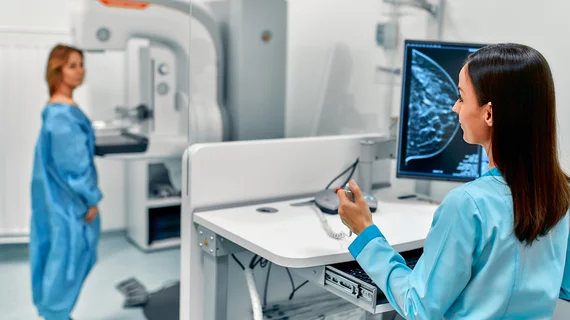
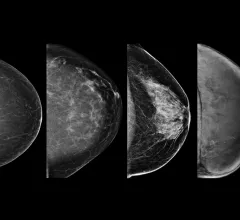
Digital breast tomosythesis now makes up close to 50% of mammography systems in the U.S. "Tomo is going to replace just straight digital mammography simply because of the benefit of fewer recalls," explained Debra L. Monticciolo, MD.
Debra L. Monticciolo, MD, past president of both the Society of Breast Imaging and the American College of Radiology, explains the advantages and disadvantages of current breast screening technology.
Pedro Martinez-Clark, MD, an interventional cardiologist and founder of Amavita Heart and Vascular Health, explains the health disparities he encounters that block the delivery of care in certain parts of Miami.