Diagnostic Imaging

Radiologists use diagnostic imaging to non-invasively look inside the body to help determine the causes of an injury or an illness, and confirm a diagnosis. Providers use many imaging modalities to do so, including CT, MRI, X-ray, Ultrasound, PET and more.

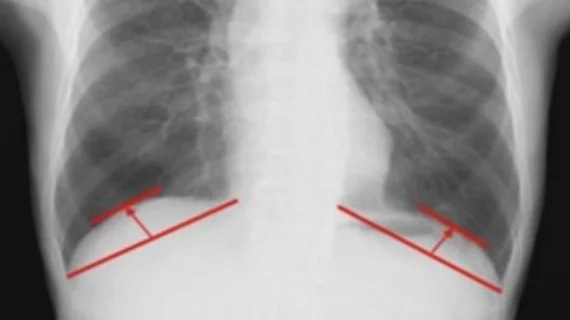
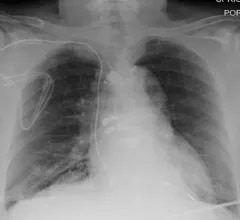
Improving the diagnostic value of portable imaging: Experts propose 3 interventions

After experts from one institution evaluated 500 portable chest x-rays completed during the summer of 2021, it was revealed that 46.2% of the images obtained were problematic, requiring the imaging to be repeated. 

Comparison of flurpiridaz F-18 PET, SPECT and angiography of the 60-year-old female patients in the Aurora trial. The SPECT scan appeared normal, but flurpiridaz was shown to be more sensitive and showed the ischemia from two blockages in the right coronary artery. The new radiotracer may help expand cardiac PET. #ASNC

Flurpiridaz data shows promise to expand and enhance cardiac PET

The biggest news from the American Society of Nuclear Cardiology (ASNC) 2022 meeting was positive late-breaking data on the phase 3 Aurora trial for the flurpiridaz (F-18) PET radiotracer agent.

soft tissue lymphoma versus soft tissue tumor

Soft tissue lymphomas versus soft tissue tumors: MRI features reliably differentiate between the two

A new analysis offers a detailed comparison of soft-tissue lymphomas and soft-tissue tumors based on imaging characteristics from MRI scans—an area of study that has not yet been rigorously explored, the authors of the paper indicated.

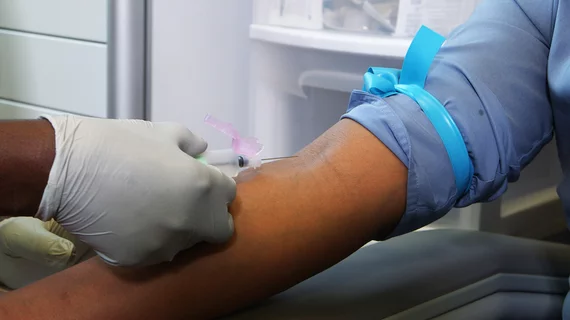
Photon-counting CT/AI combo improves multiple myeloma detection

When combined with artificial intelligence-based noise reduction techniques, new photon-counting CT technology can increase the detection of bone disease while also decreasing radiation exposure. 

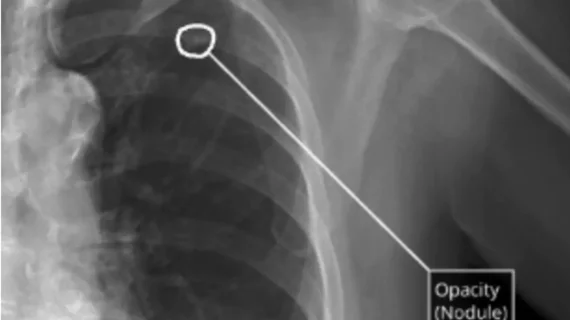
bone and soft tissue tumors

Radiologists' understanding of tumor 'mimics' vital when assessing bone and soft tissue lesions

Authors of the new EJR paper explained that, although most of these tumors present in a similar way—with a lump or localized pain—their origins are wide-ranging and require the use of additional imaging to characterize the lesion. 

A slice from a tomosynthesis 3D mammography mammogram. Image courtesy of Mass General

VIDEO: 3D mammography is becoming the standard-of-care in breast imaging

Society of Breast Imaging (SBI) President John Lewin, MD, explains breast tomosynthesis has already become the default standard in mammography today. 

Thumbnail

VIDEO: Where are we with AI adoption in radiology?

Bibb Allen, MD, FACR, chief medical officer of the American College of Radiology (ACR) Data Science Institute, discusses multiple factors involved in the adoption rate of artificial intelligence in radiology.
 

Thumbnail

Ultrasound measurements can predict osteoporosis, study shows

Experts compared the cortical thickness of three bones—the radius, tibia and second metatarsal—of 200 volunteers who had undergone prior bone mineral density measurements to evaluate the ultrasound method’s accuracy.