Diagnostic Imaging

Radiologists use diagnostic imaging to non-invasively look inside the body to help determine the causes of an injury or an illness, and confirm a diagnosis. Providers use many imaging modalities to do so, including CT, MRI, X-ray, Ultrasound, PET and more.

Thumbnail

Siemens Healthineers' partnership sets sights on point-of-care testing for athletes

On-the-field imaging helps determine if athletes can be treated effectively on-site or whether they might need to be transferred to a medical center for additional care. 

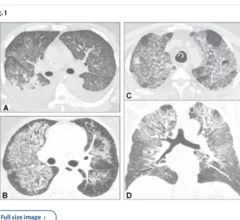
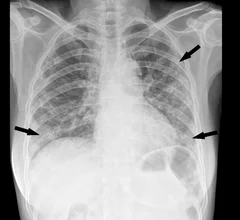
Chest radiograph in a 53-year-old woman with confirmed coronavirus disease 2019, or COVID-19, pneumonia. The patient had fever and cough for 5 days. Multifocal patchy opacities (arrows) can be seen in both lungs. Image courtesy of RSNA. What COVID looks like ob CT medical imaging.

Current imaging AI systems can be repurposed to address future pandemics, study asserts

Experts say these new findings represent “a significant advancement in the field of radiology."

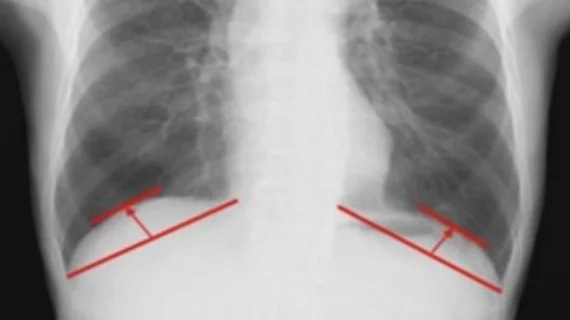
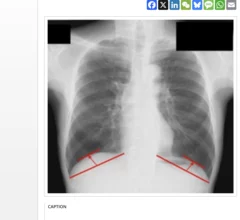
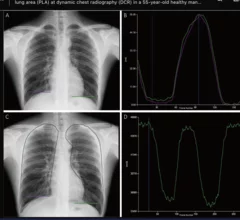
Dynamic chest radiography could be an alternative to pulmonary function tests for diagnosing COPD

Dynamic chest radiography could potentially replace pulmonary function tests

The X-ray technique uses continuous radiographic acquisition during respiration to assess lung function.

Thumbnail

Community Health Systems sells ambulatory diagnostics segment to Labcorp for $194M

The all-cash deal is expected to be finalized in April 2026. With this divestment of its ambulatory labs, Tennessee-based Community Health Systems said it will be better able to focus on its core patient care business. 

Thumbnail

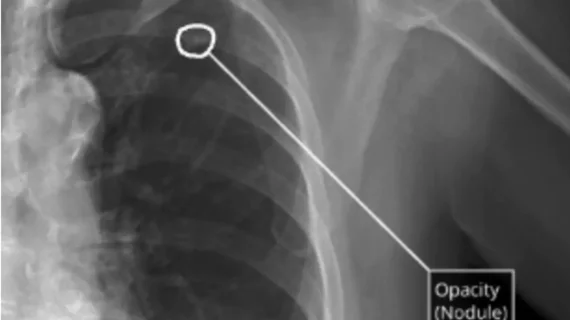
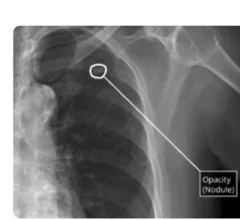
Using chest X-rays for triage could reduce lung cancer overdiagnoses

Chest X-rays could be the key to mitigating the issue of overdiagnosis in certain patient populations undergoing lung cancer screening, according to new research. 

Seth Baum, MD, FACC, FACPM, FAHA, FNLA, FASPC, Chairman of the Board for the Family Heart Foundation, past president of the American Society for Preventive Cardiology, clinical affiliate professor of biomedical science at Florida Atlantic University, and chief medical officer of Flourish Research, explains why testing for familial hypercholesterolemia (FH) and elevated Lipoprotein(a) could be critical to identify more patients with elevated risk of cardiac events, but have their LDL well controlled.

Lipoprotein(a) tests could transform patient care—is it time for universal screening?

"Lp(a) represents the most important potential potential paradigm shift in cardiovascular disease prevention that we'll experience over the next five to 10 years," Seth Baum, MD, explained in a new interview.

Thumbnail

Experts create AI system that can accurately diagnose osteoporosis using routine X-rays

Experts are optimistic their tool could help providers identify patients who may be at risk of developing osteoporosis sooner.

radiology trends x-ray imaging practice management

Generative AI model shows potential for reading chest X-rays used for TB screenings

Generative artificial intelligence models have shown great potential for improving multiple aspects of the radiology field, but a new analysis cautions that they still require significant oversight.