Radiologists use diagnostic imaging to non-invasively look inside the body to help determine the causes of an injury or an illness, and confirm a diagnosis. Providers use many imaging modalities to do so, including CT, MRI, X-ray, Ultrasound, PET and more.

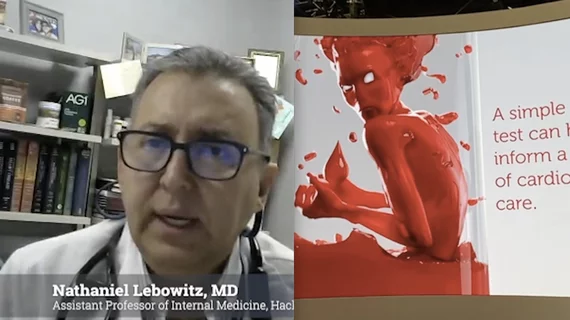
Freestanding EDs demonstrated meaningful operational advantages over hospitals when using an accelerated troponin pathway. This included earlier discharges for low-risk chest pain patients.
On-the-field imaging helps determine if athletes can be treated effectively on-site or whether they might need to be transferred to a medical center for additional care.
The American College of Radiology offered up imaging suggestions for healthcare facilities and said efforts required to eliminate contamination in exam rooms could lead to "substantial problems for patient care."
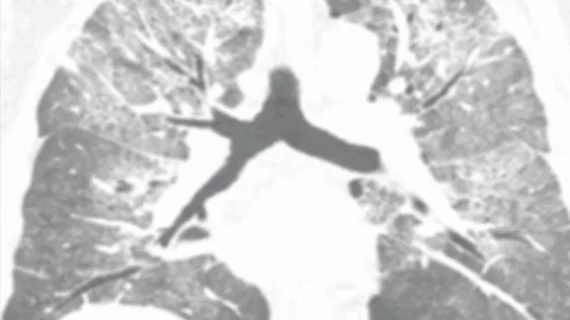
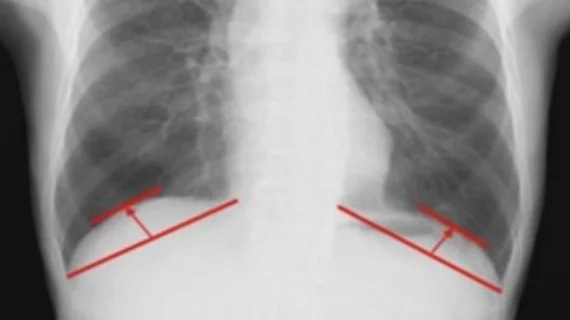
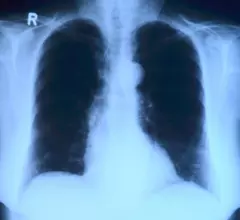
Radiologists should "become familiar" with the CT findings of COVID-19 and the shortcoming of chest radiographs when evaluating potential cases, researchers wrote in the Korean Journal of Radiology.
Shenzhen Second People's Hospital sits near the Wuhan area and has examined more than 1,400 suspected cases of COVID-19. Clinicians detailed their experience in Academic Radiology.
A new special report published in Radiology includes two new case studies of individuals infected with the illness, and details how experts can harness CT to help diagnose 2019-nCoV.