If passed, new bipartisan legislation would allow eligible residents and interns to defer interest accrual on any federal student loans during their required postgraduate training. The bill has support from more than 40 U.S. healthcare organizations, including SCAI, ACC and STS.
New research details how artificial intelligence can be harnessed to improve radiology resident education by identifying shortfalls in clinical exposure and reinforcing missed concepts.
The role was designed to assist with rising caseloads as an attempt to maintain both patient safety and resident well-being, according to new research.
The organization has launched the application and documentation process for its new Imaging Assistant, Magnetic Resonance, I.A.(MR)(ARRT) credential, officially opening the door candidates to begin logging their requirements for certification.
Structured reporting templates are known to have numerous clinical benefits, but less is known about how these reports can be utilized as training tools for residents.
A brand new analysis explored diversity, equity and inclusion within the specialty of cardiovascular surgery. It also included several recommendations for leaders looking to help create change and improve patient care.
This was a moment years in the making for interventional cardiology. A total of 164 training programs participated, and 94% of applicants secured a position.
Atrium Health Carolina Rehabilitation is partnering with Unbroken, an organization working to improve rehabilitation services in war-torn Ukraine. The series of visits to North Carolina will begin next year.
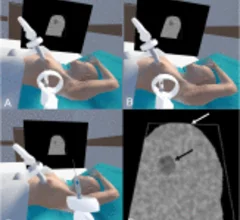
Breast biopsies are the most common image-guided procedure. Despite this, many radiology residents may not be routinely involved in completing these procedures during their training.
Among AI’s most watchful stakeholders are healthcare organizations in need of AI talent and AI talent in need of work in healthcare. Both groups need to keep up with the technology in its present as well as future iterations.
In a more perfect world, legal cases against radiologists would solely focus on whether or not the defendant’s misdiagnosis reflected a true failure to uphold the standard of care.