Providers utilize business intelligence to monitor referral patterns and collaborate with clinicians who order their services. Such analytics tools have also been deployed in the specialty to improve productivity, track patient satisfaction and bolster quality.

Of surveyed and interviewed U.S. physicians who showed significant six-month improvement in follow-up vs. baseline wellness checks, 47% attributed the gain to active personal changes. Not far behind were those who credited active work-related changes—40% of the field.
The new entity, Precure, will be owned by both groups. Its work in detecting early disease for timely intervention stems from a research project launched this summer. The Mayo Clinic said Precure will make the results of that initiative actionable.
Any negotiations are currently in the early stages, sources told Reuters. If a deal closes, Waystar could be taken off the stock market and restructure itself as a private business.
Add lanes to a highway and the traffic only gets more congested. Add doctors to a local health system and waiting times increase. What explains these parallel paradoxes?
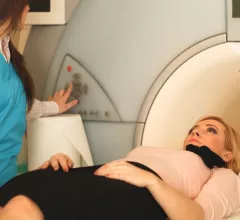
AI can safely and accurately identify healthy breast tissue on ultrafast breast MRI, negating the need for a radiologist’s closer look and, in the process, lowering cancer screening costs and widening patient access to breast MRI.
Researchers have developed a novel cardiovascular MRI protocol as an option to the invasive gold standard, endomyocardial biopsy, for monitoring heart-transplant patients at risk of suffering organ rejection.
A Silicon Valley AI shop has been OK’d by the FDA to market software that automatically flags suspected pulmonary embolisms (PEs) and immediately notifies physicians.
The Food & Drug Administration has drafted guidelines to help U.S. healthcare better prepare for and respond to events associated with these situations.
Iodinated contrast is most widely used in patients undergoing CT studies for, in descending order, abdominopelvic, chest, head/neck and brain indications.