Clinical

This channel newsfeed includes clinical content on treating patients or the clinical implications in a variety of cardiac subspecialties and disease states. The channel includes news on cardiac surgery, interventional cardiologyheart failure, electrophysiologyhypertension, structural heart disease, use of pharmaceuticals, and COVID-19.   

The Relief System from Relief Cardiovascular Inc. is a first of its kind device. It incorporates a valve and sensor implant that uses AI to intelligently modulate venous pressure using hemodynamic data. The system actively adjusts flow in the inferior vena cava (IVC), which lowers venous pressure to drive durable decongestion in heart failure.

New AI-enabled heart failure implant shows early potential

The AI-powered Relief System is able to modulate venous pressure using hemodynamic data. The goal is to help patients better manage heart failure congestion at home. 

Thumbnail

Heart failure biomarker identifies long-term risk in T-TEER patients

NT-proBNP measurements are often used to diagnose and manage heart failure. According to a new study of more than 2,000 patients, they can also provide value to cardiologists performing T-TEER.

doctor patient elderly check up hospital

Heart patients unsure about GLP-1 drugs? A physician’s advice is often the best medicine

When patients fear that GLP-1 drugs are “too new” to be trusted, cardiologists can make a world of difference by closely listening and then explaining how they work.

Farapulse Boston Scientific Pulsed Field Ablation PFA fda approval

Boston Scientific’s Farapulse PFA system receives expanded approval

The technology first gained CE mark approval for the treatment of paroxysmal AFib in 2021, when PFA was still brand new. Now, thanks to positive results from the ADVANTAGE AF clinical trial, it is approved for persistent AFib as well. 

Lantheus receives tentative FDA approval for its radio-equivalent to Lutathera

Lantheus’ version of a radiopharmaceutical capable of targeting somatostatin receptor-positive gastroenteropancreatic neuroendocrine tumors (GEP-NETs) has been tentatively approved by the FDA.

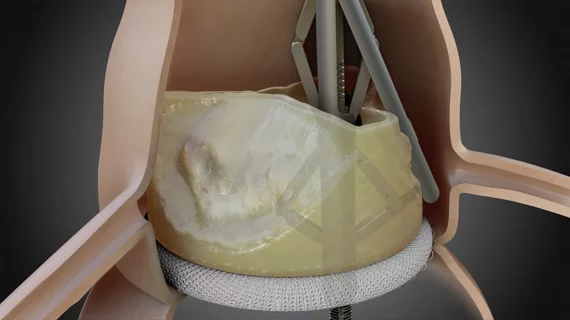
After traversing the aortic cusp with an electrified wire and balloon inflation, a stent is positioned inside the noncoronary cusp and deployed. Immediately after, a transcatheter aortic valve is expanded, and the stent is crushed on the left ventricular outflow tract wall and annulus, while anchored to the aortic valve leaflet.

Cardiologists perform first TAVR of its kind by anchoring valve to crushed stent

The patient, 78, presented with severe AR and no signs of calcification. She was considered a poor choice for surgery or traditional TAVR due to multiple risks. That is where the new-look ATLAS technique came in.

cardiologist salary and compensation data

Did you make the list? CMS targets cardiologists for new heart failure payment model

More than 2,000 cardiologists are required to participate in the new payment model. According to CMS, the long-term goal is to track and reduce the high healthcare costs associated with treating heart failure.

Paradise Ultrasound image courtesy of Recor Medical.

Ultrasound RDN system launches in Japan—cardiologist calls it a ‘significant step forward’

Recor Medical's Paradise Ultrasound RDN technology is now available in Japan, home to an estimated 43 million adults with hypertension.