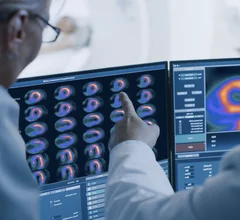
More and more imaging researchers are starting to examine the potential of using fibroblast activation protein inhibitors (FAPI) to manage patients with suspected cardiovascular disease.
A study from Microsoft on the impact of ransomware found unaffected nearby hospitals see a rise in stroke and cardiac arrest cases, in addition to an influx of patients.
By binding the substance to a radiotracer, experts were able to improve the accuracy of identifying these tumors by as much as 30% compared to the standard of care.
The objective of the AHA scientific statement is to review the available evidence on for better management of cardiac arrhythmias from COVID causes that are still encountered on a regular basis.
“This document represents a collective effort to refine and advance the standards of care in STEMI management," according to one cardiologist behind the project.
Researchers examined the brains of bilingual and monolingual people using fMRI, only to find improved communication between isolated regions in those who learn a second language at a young age.
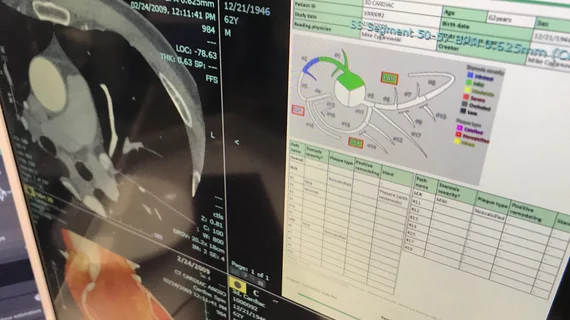
Ron Blankstein, MD, professor of radiology, Harvard Medical School, explains the use of artificial intelligence to detect heart disease in non-cardiac CT exams.