AI is revolutionizing radiology workflow and patient care

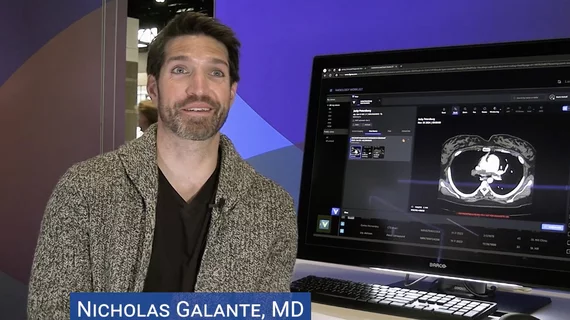
In the rapidly evolving healthcare landscape, artificial intelligence (AI) is making significant strides in improving radiology workflow and patient care coordination. Nicholas Galante, MD, medical director of informatics at Radiology Associates of North Texas, recently discussed how technology from Viz.ai is transforming his radiology practice, enhancing efficiency, and ultimately benefiting patient outcomes.


In the rapidly evolving healthcare landscape, artificial intelligence (AI) is making significant strides in improving radiology workflow and patient care coordination. Nicholas Galante, MD, medical director of informatics at Radiology Associates of North Texas, recently discussed how technology from Viz.ai is transforming his radiology practice, enhancing efficiency, and ultimately benefiting patient outcomes. 

ALS drug repurposed for PET imaging

ALS drug repurposed for PET imaging

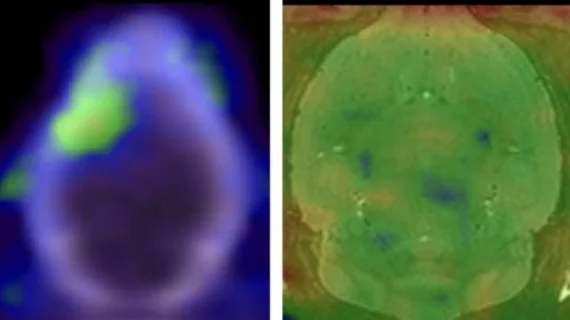
Using radiolabeled fluoroedaravone to track the build-up of reactive oxygen and nitrogen species (RONS) in mouse models, the researchers could detect oxidative stress caused by a stroke in just 24 hours (left) and the early widespread signs of Alzheimer’s disease (right).

Caption and photo courtesy of St. Jude Children's Research Hospital.

Researchers radiolabeled the drug so that they could follow its movement and breakdown in the body to help visualize areas of oxidative stress.

Cardiologists are first in world to use new TAVR catheter from Boston Scientific

self-centering guide catheter (SCGC) for TAVR from Boston Scientific

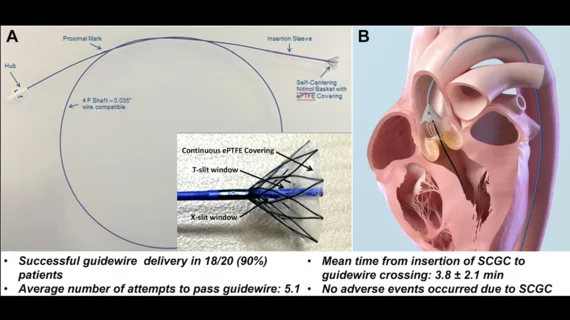
The SCGC (A) is delivered within any 6-F guide catheter and is compatible with 0.035-inch guidewires for retroaortic crossing of the stenotic aortic valve (B). ePTFE = expanded polytetrafluoroethylene. Images and caption courtesy of JACC: Cardiovascular Interventions.

The new Self-Centering Guide Catheter was designed to help care teams with the retrograde crossing of the aortic valve during TAVR. Researchers evaluated the safety and effectiveness of the catheter, sharing their experience in JACC: Cardiovascular Interventions.