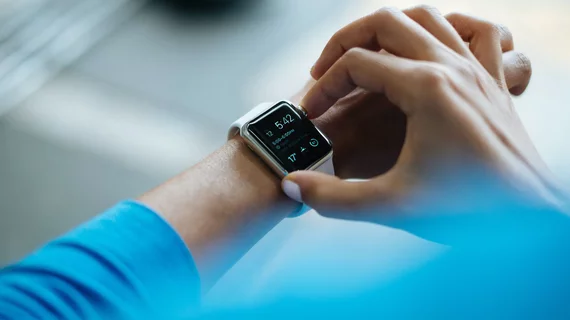
The Digital Medicine Society has partnered with organizations such as Duke University and Google Fitbit to leverage wearable technology and smartphone data in reducing opioid relapse and overdose deaths. As the pilot study gets underway, HealthExec speaks with Candice Taguibao, associate program director at the Digital Medicine Society, to learn more about the initiative.