The new CEO of Novartis, Vas Narasimhan, is pushing the drug company to embrace artificial intelligence, telemedicine and automation as keys to its future.
In healthcare, 21 percent of employees are concerned about their job security due to the adoption of robotics and artificial intelligence (AI), according to a survey conducted by MindEdge.
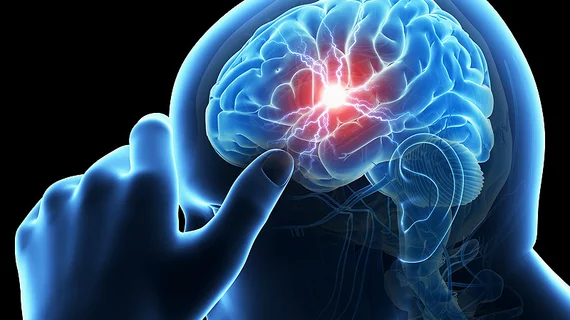
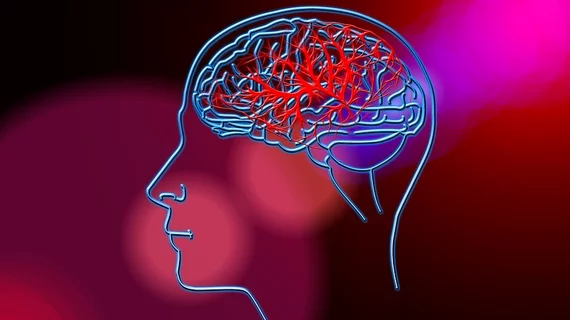
A device worn like a visor can detect emergent large-vessel occlusion in patients with a suspected stroke with 92 percent accuracy, according to a study published March 6 in the Journal of Neurointerventional Surgery.
When Adam Stern, MD, staff psychiatrist at Beth Israel Deaconess Medical Center, was diagnosed with an aggressive form of cancer in his left kidney he suddenly had a heightened awareness of his normal body sensations, which he termed "onco-anxiety."
Two editors of JACC: Heart Failure detailed how the United States has fallen behind other countries in site-based clinical research and offered suggestions on how to reinvigorate the research culture in America.
A newly developed imaging instrument which may improve the sensitivity of optical mammography will be presented by Italian researchers at the OSA Biophotonics Congress: Biomedical Optics meeting this April in Hollywood, Florida, according to a press release from The Optical Society.
A recent study published in the April 2018 issue of Radiology optimized a four-step approach to accurately detect hemodynamically significant intermediate-stenosis lesions, which outperformed coronary CT angiography. Researchers also found using coronary contrast opacification variations to estimate blood flow distribution may improve CT fractional flow reserve accuracy.
Canon Medical Systems USA announced its Aplio i600 ultrasound system has been cleared by the FDA and will be on display at the American Institute of Ultrasound in Medicine (AIUM) 2018 annual meeting March 24-28 in New York.
A novel approach to interpreting radiology reports alongside residents could cut an attending’s stress levels while increasing enjoyability and time, states a new editorial published in Academic Radiology this month.
Two commonly used menopausal hormone therapy drugs may affect brain volume or cognitive function in older women after years of exposure, according to research published in Neurology.