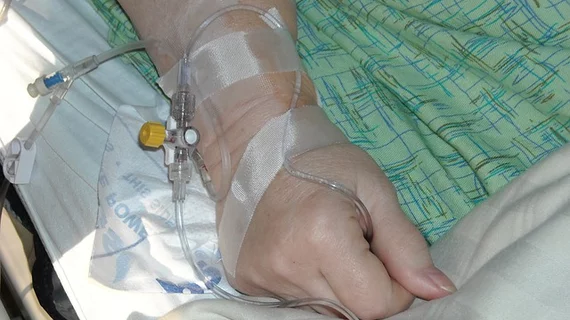
Intravenous nicorandil cut the risk of periprocedural myocardial injury (pMI) after percutaneous coronary intervention (PCI) by 49 percent among patients 65 and older, according to a substudy of a randomized trial published in PLOS One.
The diagnostic radiology job market continues to trend upward after a promising hike in the 2016-2017 academic year. The increasing number of clinical positions could be driving a culture of competition among young physicians, according to a report published in Current Problems in Diagnostic Radiology this month.
Patients who undergo breast reconstruction using abdominal tissue have no increased risk of breast cancer recurrence, according to a new study published in the British Journal of Surgery.
The IN.PACT Admiral drug-coated balloon. (Photo courtesy of Medtronic)
Medtronic’s IN.PACT Admiral drug-coated balloon (DCB) has received an expanded indication from the FDA and is now cleared to treat long superficial femoral artery lesions up to 360 millimeters, the company announced April 23.
Low-risk breast cancer patients who opt for accelerated partial breast irradiation—a one-week alternative to traditional whole-breast radiotherapy—see the same quality of life as women who undergo conventional treatment, researchers reported at this year’s European Society for Radiotherapy and Oncology (ESTRO) Congress.
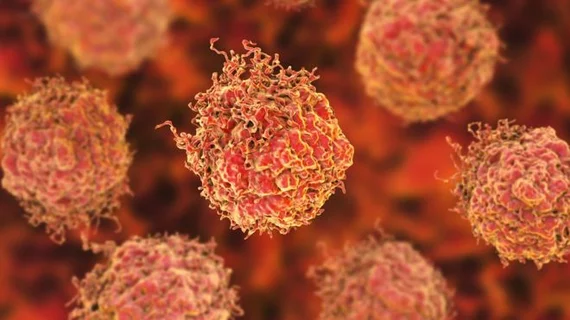
Researchers from Dundee University in Scotland have developed a new ultrasound method that may improve diagnosis and treatment options for prostate cancer, according to an April23 article by BBC News.
Hospitals should show more compassion in the way they bill low-income patients, according to a new column from David Levin, MD, of the department of radiology at Thomas Jefferson University Hospital in Philadelphia.
CMS updated its National Coverage Determination (NCD) conditions granting MRI eligibility to Medicare beneficiaries with implanted pacemakers or cardioverter defibrillators.
President Donald Trump has postponed this week’s speech on battling rising prescription drug costs, according to the White House. No future date, time or location has been announced for the speech, previously scheduled for Thursday, April 26.
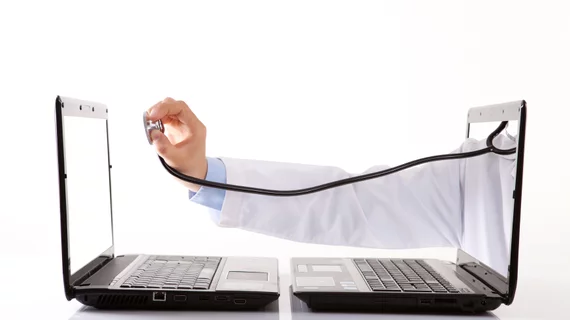
Telemedicine is becoming increasingly popular across all fields of medicine, but doctors aren’t necessarily taught how to use it effectively, a researcher and physician wrote in the Washington Post.