Barbara L. McAneny, MD, wasted no time in discussing critical healthcare issues once she was sworn in as American Medical Association president on June 12 at the AMA’s annual meeting in Chicago.
The American Society of Radiologic Technologists (ASRT) Foundation announced this week that it has awarded more than $200,000 in scholarships to 66 recipients for the 2018-2019 academic year.
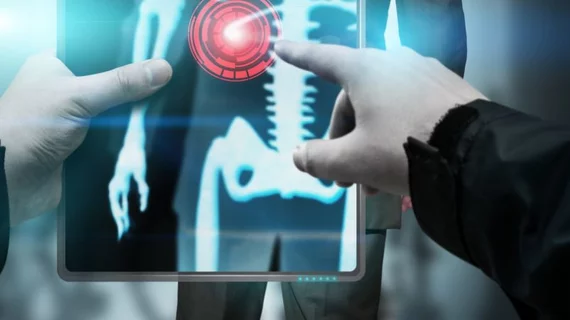
A machine learning-based “red dot” triage system could help differentiate between normal and abnormal chest radiographs while optimizing clinician workflow, British researchers reported this month in Clinical Radiology.
Concern over the state of cybersecurity has led to 23 percent more organizations making improvements to their security systems since last year, according to the 2018 Harvey Nash/KPMG CIO survey.
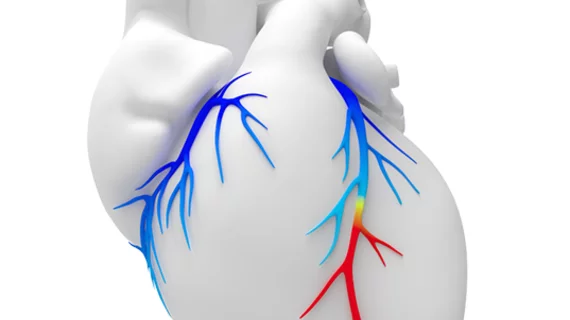
CT angiography (CTA), coupled with fractional flow reserve (FFR), demonstrated an ability to detect functionally significant lesions in patients with multivessel coronary artery disease (CAD).
Radiotherapy technology recently employed at a cancer center in Glasgow has the ability to generate individualized radiotherapy treatment plans for as many as 50 patients at a time within minutes, circumventing a process that typically takes physicians more than a day per patient plan, the Herald reported early this week.
The American Institute of Ultrasound in Medicine (AIUM) named Richard G. Barr, MD, PhD, as the next editor-in-chief of the Journal of Ultrasound in Medicine.
Coronary artery bypass graft (CABG) surgeries, in particular, were strongly linked to the life-threatening condition—carrying a 14-fold increase in relative risk, among the top five of all inpatient procedures analyzed.
GE Healthcare named Tom McGuinness its new president and CEO of GE Healthcare's Imaging business on June 11, according to an internal report from GE Healthcare.
The vast majority of physicians (94 percent) and hospital leaders (90 percent) believe mobile technology improves patient safety and outcomes, according to a survey conducted by Black Book.