Patients receiving care in the outpatient setting are more likely to complete relevant follow-up imaging than patients in the inpatient or emergency department (ED) settings, according to new research published in the Journal of the American College of Radiology.
The U.S. Food and Drug Administration (FDA) has cleared the Multix Impact, an affordably priced, floor-mounted digital radiography (DR) system from Siemens Healthineers that expands access to high-quality imaging and enhances the patient experience.
Implementing digital breast tomosynthesis (DBT) can lead to fewer women being committed to short-term follow-up, according to new research published in Academic Radiology.
The National Health Service (NHS) has hired more consultant radiologists in recent years, but the Scottish government’s five-year cancer strategy is in danger of not meeting its goals by March 2021 due to continued staffing shortages.
A CT angiography (CTA)-derived score that also incorporated the extent, location and composition of coronary plaque outperformed a model that focused only on the severity of stenosis, researchers reported Jan. 16 in JACC: Cardiovascular Imaging.
Radiation oncology job satisfaction is high, though interest in radiation oncology fellowships remains low, according to new research published in the Journal of the American College of Radiology.
A report from Persistence Marketing Research predicts the demand for neurovascular thrombectomy devices (NTDs), particularly stent retrievers, will surge in the near future alongside a growing prevalence of cerebral infarction and ischemic stroke.
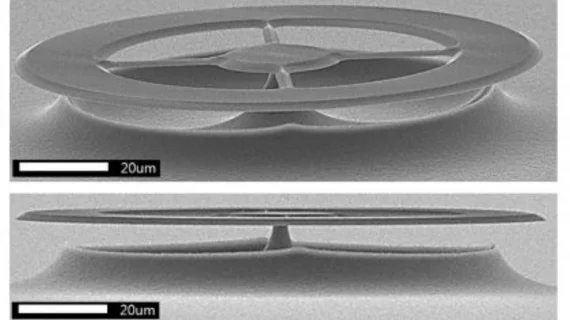
Researchers from the University of Queensland in Australia have developed “ultraprecise ultrasound” sensors that are sensitive enough to hear the formation of surrounding air molecules, according to new research published online Jan. 10 in Nature Communications.