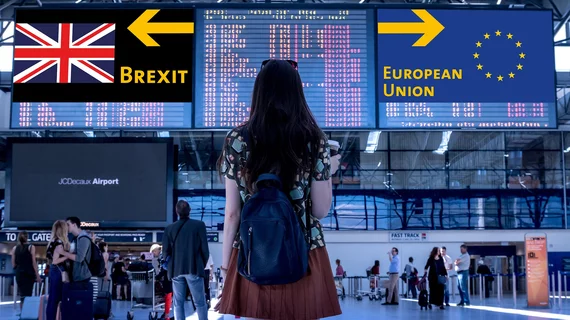
The upcoming vote on whether the U.K. will leave the European Union has prompted the Royal College of Radiologists (RCR) to warn doctors of a potential delay in receiving drugs used to detect and treat cancer, the BBC reported.
The Early Bird Bleed Monitoring System, which can detect internal bleeding during endovascular procedures, has been granted de novo classification by the FDA. The approval was announced March 5 by Saranas, the device’s manufacturer.
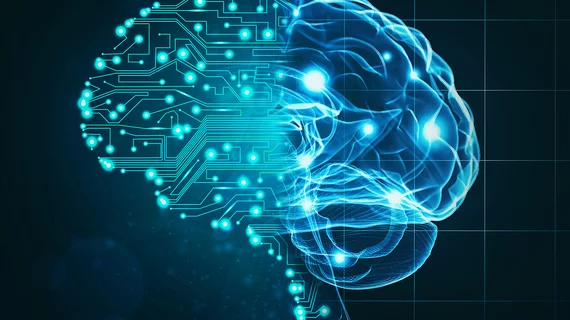
An AI approach developed by Dutch researchers performed similarly to radiologists at detecting breast cancer, according to a multi-center, multi-dataset study published March 5 in the Journal of the National Cancer Institute.
Following the news that FDA Commissioner Scott Gottlieb, MD, plans to resign in about a month, the American Heart Association released a statement applauding Gottlieb’s efforts to curb the e-cigarette epidemic among the country’s youth.
A report released by Portland-based firm Big Market Research on March 6 projects the artificial intelligence in medicine market will grow to $18.12 billion by 2025, advancing at a compound annual growth rate (CAGR) of 49.6 percent.
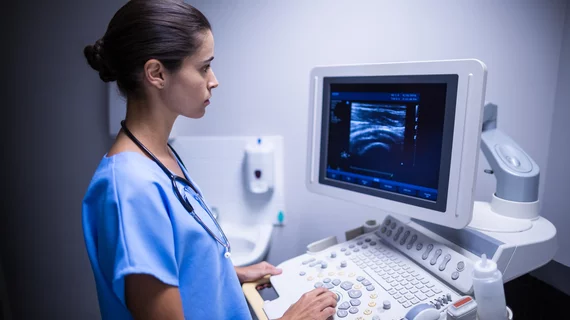
The International Contrast Ultrasound Society (ICUS) is once again pushing the FDA to eliminate the “black box” warning from ultrasound contrast agents (UCAs), detailing its stance in a petition supported by several other medical societies.
AI systems can detect breast cancer just as well as radiologists, according to a study published March 5 in the Journal of the National Cancer Institute.
The International Contrast Ultrasound Society (ICUS) is again urging the FDA to remove the “black box” warning from ultrasound contrast agent (UCA) labels, following its filing of a September 2018 citizen petition with the federal agency.
Artificial intelligence (AI) systems can achieve a cancer detection accuracy similar to that of an average breast radiologist, according to new findings published by the Journal of the National Cancer Institute.