Eli Lilly stocks are down 1.4% in premarket trading this week after the company announced the results of its long-awaited REWIND study, Barron’s reported.
“Search for an aneurysm is one of the most labor-intensive and critical tasks radiologists undertake,” said co-senior author Kristen Yeom, MD, associate professor of radiology at Stanford University.
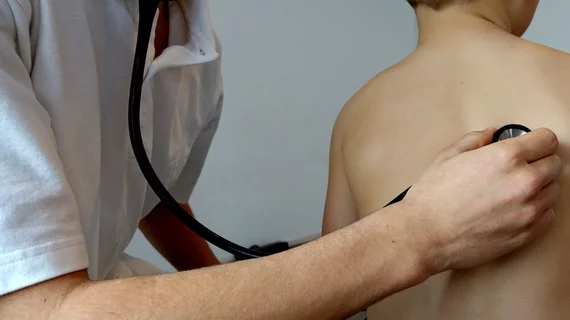
Combining AI with advances in acoustic engineering, Australian researchers have developed an algorithm that can help diagnose common pediatric respiratory conditions such as asthma, croup and pneumonia.
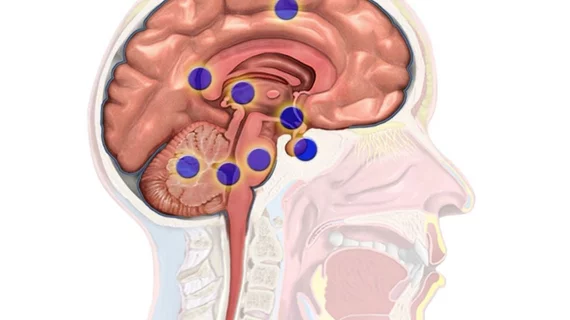
Alzheimer’s disease, a progressive brain disorder with no known cure that affects more than 5.5 million Americans, may finally be preventable. That’s if a vaccine developed by researchers at the University of New Mexico currently being tested turns out to be viable, reports local news outlet KRQE.
The American College of Cardiology is partnering with Chicago-based company Veradigm to assemble the largest-ever ambulatory chronic disease network in the U.S., comprising more than 250,000 clinicians and 100 million patients.
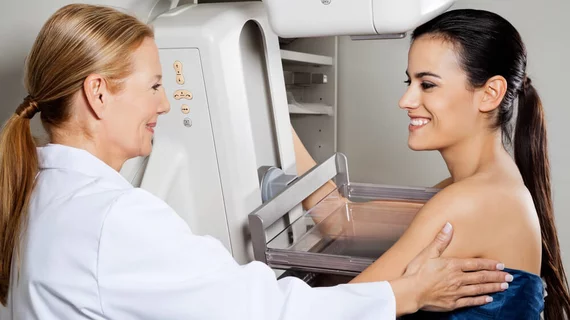
Is risk-based mammography screening a more effective strategy for women 40 to 49 years old than age-based screening? A new study published in Radiology aimed to explore that very issue.
A collaboration between cardiologists and dentists at the Karolinska Institutet in Sweden has linked undetected glucose disorders like diabetes to an increased risk of myocardial infarction and periodontitis, a severe gum disease.
Microsoft is launching a regional hub for AI, Internet of Things and data science in Louisville, Kentucky, according to Mayor Greg Fischer, with a focus on collaborating with partners in healthcare and manufacturing.
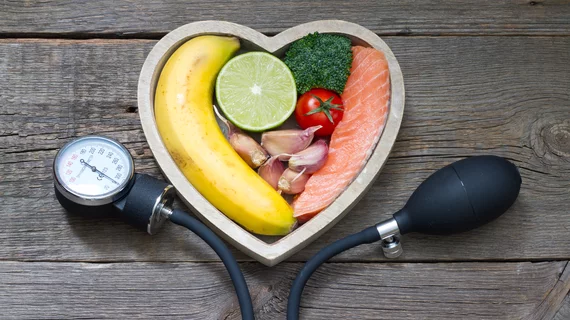
Harvard researchers have identified three health interventions that, if implemented and followed closely over the next quarter-century, could prevent up to 94 million early deaths from noncommunicable diseases like CVD.