Machine learning algorithms can classify pathology reports and help providers track follow-up imaging recommendations, according to new findings published in Radiology: Artificial Intelligence.
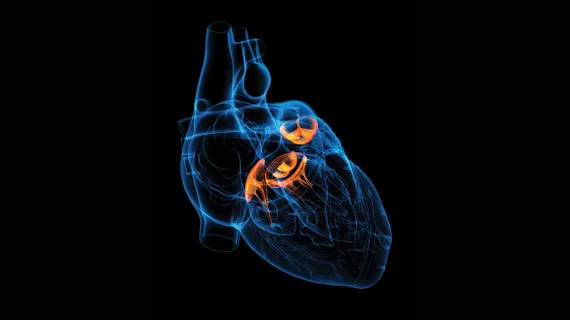
TARA Biosystems’ “heart-on-a-chip” system successfully replicates human drug responses to CV medications without having to risk cardiotoxicity in human testing, researchers from TARA and GlaxoSmithKline announced August 6.
Compensation for physician assistants rose 1% in 2018 from the previous year, according to the 2019 salary report from the American Academy of PAs. The median base salary increased marginally from $105,000 in 2017 to $106,000 in 2018.
People with osteoarthritis are 23% more likely to develop CVD than their non-arthritic counterparts if they regularly use NSAIDs, according to research published in Arthritis & Rheumatology August 6.
Physicians fed up with all the time they have to spend staring at a computer screen—even when the patient is sitting right there—may find relief in the form of a talking digital assistant.
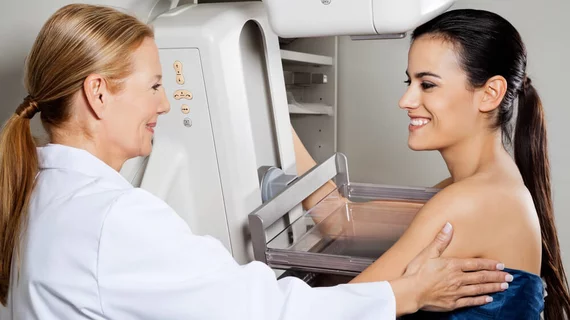
Asymptomatic adults should not be screened for pancreatic cancer, according to a new final recommendation shared by the U.S. Preventive Services Task Force (USPSTF).
Content featured on RadiologyInfo.org, a resource sponsored by the American College of Radiology and RSNA, is still too complex for all patients to understand, according to new findings published in the American Journal of Roentgenology.
Physicians who used ultrasound to guide the placement of intravenous (IV) lines in young patients had better first-attempt success rates than those who used traditional methods, according to a study published in the July issue of Annals of Emergency Medicine.
A court case from half a decade ago reemerged this month after Kentucky-based cardiologists Satyabrata Chatterjee and Ashwini Anand filed a lawsuit against CBS, which featured their case in an August 2018 episode of “Whistleblower."