A commonly prescribed drug used to treat attention-deficit/hyperactivity disorder (ADHD) disproportionately affects the development of children’s brains compared to adults with ADHD, according to a new study published in Radiology.
The results of a Journal of Cardiovascular Nursing study suggest motivation is the key driver of adherence to secondary prevention measures among women who have CHD and have undergone PCI.
Women with breast arterial calcifications (BACs) are at an increased risk of cardiovascular disease (CVD). According to a new analysis published in the European Journal of Radiology, this opens the door for mammograms to screen patients for both breast cancer and CVD at once.
If IBM’s Watson goes down as an early failure of AI in healthcare, the fumble may be recorded as an unforced error made by humans who were determined to position the company as the first serious player on the field.
Less than a year after coming aboard HHS as senior advisor to the agency’s secretary Alex Azar, for drug pricing reform, John O’Brien is stepping down from his position.
New research suggests that fluorodeoxyglucose (FDG) PET is better for assessing the severity of Alzheimer’s disease and mild cognitive impairment (MCI) than florbetapir-PET scans.
People who ate the most plant-based foods in a recent Journal of the American Heart Association study were 32% less likely than their counterparts to die from heart disease later down the line.
Hospital prices continue to rise and are a major contributor to overall spending in the healthcare sector, which is expected to hit $6 trillion by 2027.
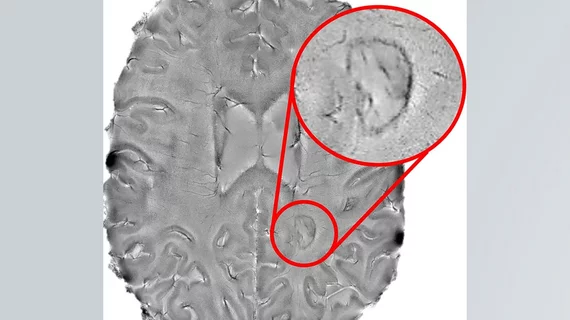
Chronic active lesions visible on brain MRI scans, identifiable by their “darkened outer rims,” are associated with multiple sclerosis, according to new findings published in JAMA Neurology.