AI-based tools are here to stay, but one expert does not see them replacing cardiologists anytime soon. Look at recent trends in radiology, he says, to get a better idea of what cardiology's future may look like.
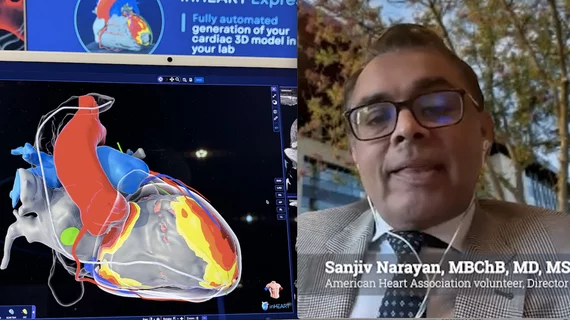
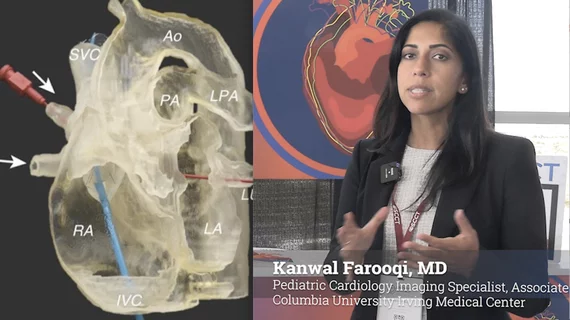
3D models can improve the visualization of challenging cardiac anatomy in addition to supporting clinical decision-making, education and procedural planning.
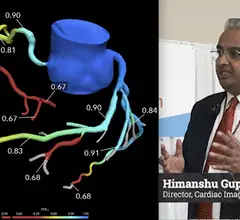
Himanshu Gupta, MD, says the implementation of FFR-CT at his facility has provided significant value. He and his colleagues are even working to explore additional ways the technology can help them improve patient care.
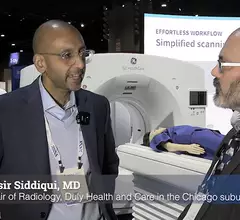
Nasir Siddiqui, MD, chair of radiology at Duly Health and Care, explains how the suburban Chicago company uses computed tomography to more effectively treat its customers.