Cardiology has been shifting from reactionary treatment strategies to a greater emphasis on prevention. This is an especially important trend in heart failure, which is associated with high costs and rising hospitalization rates.
Cardiologists often use the word “stable” when describing a heart failure patient who is recovering or showing signs of improvement. That word, however, could be giving patients a false sense of security—and it could even do harm to their long-term health.
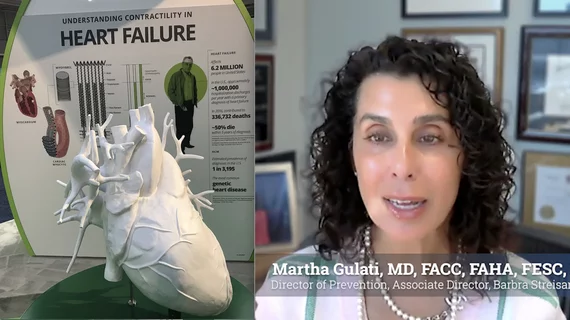
Martha Gulati, MD, co-chair on a new joint scientific statement from the Heart Failure Society of America and the American Society for Preventive Cardiology, discusses the dire need she sees to boost prevention efforts for heart failure.
Approximately one in four Americans will develop heart failure in their lifetime, according to a new report from the Heart Failure Society of America. What can be done to combat this worrisome trend?
Cardiology has been shifting from reactionary treatment strategies to a greater emphasis on prevention. This is an especially important trend in heart failure, which is associated with high costs and rising hospitalization rates.
Cardiologists often use the word “stable” when describing a heart failure patient who is recovering or showing signs of improvement. That word, however, could be giving patients a false sense of security—and it could even do harm to their long-term health.
Martha Gulati, MD, co-chair on a new joint scientific statement from the Heart Failure Society of America and the American Society for Preventive Cardiology, discusses the dire need she sees to boost prevention efforts for heart failure.
Approximately one in four Americans will develop heart failure in their lifetime, according to a new report from the Heart Failure Society of America. What can be done to combat this worrisome trend?
More than 40 U.S. healthcare organizations are urging Congress not to make sweeping Medicaid cuts that could result in approximately 7.6 million Americans losing health insurance.
Older heart failure patients with no immediate family are especially vulnerable. Additional interventions may be necessary to reach these patients and provide the best care possible.