Medical Imaging

Physicians utilize medical imaging to see inside the body to diagnose and treat patients. This includes computed tomography (CT), magnetic resonance imaging (MRI), X-ray, ultrasound, fluoroscopy, angiography,  and the nuclear imaging modalities of PET and SPECT. 

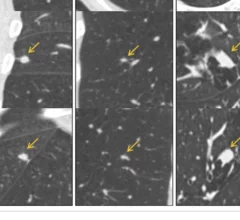
Silicosis on CT

Abnormal CT findings increasingly common among countertop workers

Individuals who work with engineered stone countertops are increasingly being diagnosed with silicosis—a chronic lung condition that is the result of inhaling large amounts of silica dust.

weight loss scale overweight obese lose weight pounds

Radiologists say hidden fat can predict Alzheimer’s 20 years before symptoms arise

Higher levels of visceral fat were linked to increased amyloid, according to new research being presented this week at RSNA 2024 in Chicago. 

Philips CT 5300

New AI-enabled CT system is officially available in North America

The scanner is equipped with features aimed at addressing some of the biggest pain points of both radiologists and technologists.

Thumbnail

Some soccer players are at risk of brain damage similar to CTE

American football isn’t the only contact sport that has medical experts concerned with the brain health of athletes. New evidence suggests certain soccer players may be at heightened risk of long-term brain abnormalities, too. 

Thumbnail

GBCA dose reduced by up to 80% with help from deep learning-based image reconstruction

Although GBCAs are largely considered safe, there are concerns about how gadolinium retention could affect patients who require repeated imaging.

Thumbnail

Concussions may slow 'background' brain activity in athletes, new imaging shows

New research into post-concussion brain health suggests that the impact of head trauma may be more far-reaching than previously believed. 

Siemens Healthineers

Siemens Healthineers inks 10-year, $105M imaging value partnership with large medical center

The deal is with the Ohio State Wexner Medical Center, covering equipment purchases and consulting services. 

Experts publish updated guidance on nuclear imaging for fevers of unknown origin

Fevers of unknown origin account for around 2% of hospitalizations and can present significant diagnostic challenges for providers.