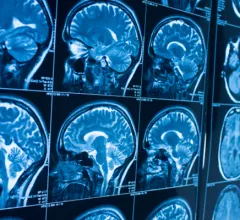
Medical Imaging

Physicians utilize medical imaging to see inside the body to diagnose and treat patients. This includes computed tomography (CT), magnetic resonance imaging (MRI), X-ray, ultrasound, fluoroscopy, angiography,  and the nuclear imaging modalities of PET and SPECT. 

Thumbnail

FDA Approves New Innovations on Hologic's 3Dimensions™ Mammography System, the Fastest, Highest Resolution Breast Tomosynthesis System Ever

Latest breast cancer screening improvements launched as company marks installation of more than 5,000 3D Mammography™ systems throughout the United States.

Thumbnail

When a cancer diagnosis leads to ‘onco-anxiety’

When Adam Stern, MD, staff psychiatrist at Beth Israel Deaconess Medical Center, was diagnosed with an aggressive form of cancer in his left kidney he suddenly had a heightened awareness of his normal body sensations, which he termed "onco-anxiety."

Thumbnail

Infrared light instrument, x-ray imaging may improve optical mammography

A newly developed imaging instrument which may improve the sensitivity of optical mammography will be presented by Italian researchers at the OSA Biophotonics Congress: Biomedical Optics meeting this April in Hollywood, Florida, according to a press release from The Optical Society.

Canon Medical Systems USA gains FDA clearance for new ultrasound system

Canon Medical Systems USA announced its Aplio i600 ultrasound system has been cleared by the FDA and will be on display at the American Institute of Ultrasound in Medicine (AIUM) 2018 annual meeting March 24-28 in New York.

Thumbnail

Long-term menopausal hormone therapy may affect brain volume, cognition

Two commonly used menopausal hormone therapy drugs may affect brain volume or cognitive function in older women after years of exposure, according to research published in Neurology.

Thumbnail

Preschoolers with ADHD symptoms have smaller brains than their peers

New research has found that brains of preschoolers who show symptoms of attention deficit hyperactivity disorder (ADHD) may have smaller brains and differences in neural connectivity compared to their peers.

Thumbnail

Skeletal x-rays are on the rise, especially among nonradiologists

Skeletal x-ray utilization among Medicare beneficiaries is up, according to a new study published in the Journal of the American College of Radiology. Utilization is up 5.5 percent among radiologists and more than 11 percent among nonradiologists.

Thumbnail

7-Tesla MRI could be a game-changer for diagnosing, treating brain tumors

A 7-Tesla-strong MRI machine could be changing the way brain tumors are diagnosed and treated, University of Southern California researchers reported this week.