Medical Imaging

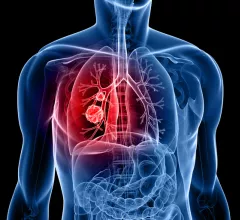
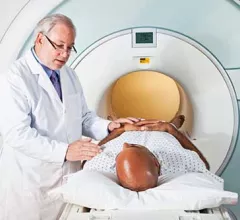
Physicians utilize medical imaging to see inside the body to diagnose and treat patients. This includes computed tomography (CT), magnetic resonance imaging (MRI), X-ray, ultrasound, fluoroscopy, angiography,  and the nuclear imaging modalities of PET and SPECT. 

Thumbnail

Addressing social determinants may boost BI-RADS 3 follow-up rates

“Because BI-RADS 3 breast lesions have up to 2% likelihood of malignancy, it is imperative that optimal follow-up of BI-RADS 3 test results be addressed...," authors of the new study published in JACR wrote.

Thumbnail

AI can predict MR sequence types, saving providers time

Researchers found that deep convolutional neural networks (CNNs) can predict sequence types for brain MR images, sharing their findings in the Journal of Digital Imaging.

Thumbnail

AI helps manage ‘tedious, lengthy’ image labeling process

Deep convolutional neural networks (CNNs) can be trained to predict sequence types for brain MR images, according to new research published in the Journal of Digital Imaging.

Thumbnail

Contrast-enhanced ultrasound predicts risk of progression to HCC

The researchers analyzed 39 consecutive patients with 44 pathologically confirmed cirrhotic nodules who first received a CEUS exam, followed by a traditional follow-up ultrasound every three or four months for their study.

Thumbnail

Startup collaborating with Yale on new point-of-care MRI system

As part of the collaboration, Yale New Haven Hospital has been using the MRI system for a two-year study involving the American Heart Association. Results of the preliminary research will be announced early next year.

Thumbnail

Entrepreneur hopes to make portable, point-of-care MRI a reality

A new startup—Hyperfine—and its visionary leader Jonathan Rothberg are creating a new, portable MRI machine they believe can revolutionize the way doctors think about the technology.

Thumbnail

Protective methods to measure radioiodine exposure may be inadequate

Exposure to radioiodine can lead to DNA damage in thyroid cells and other tissue, but new research suggests current radiation protection principles may not be sufficiently monitoring radiation exposure to nuclear medicine professionals.

Thumbnail

Why all AI strategies need an imaging informaticist

Discussions about AI and radiology often focus on the researchers who help develop the algorithms and radiologists themselves. But a new analysis published in Academic Radiology shines a light on another key role in the implementation of AI: the imaging informaticist.