Medical Imaging

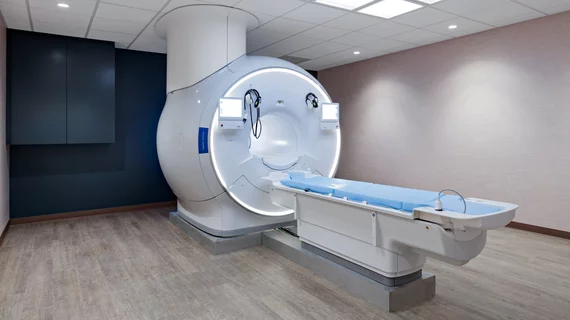
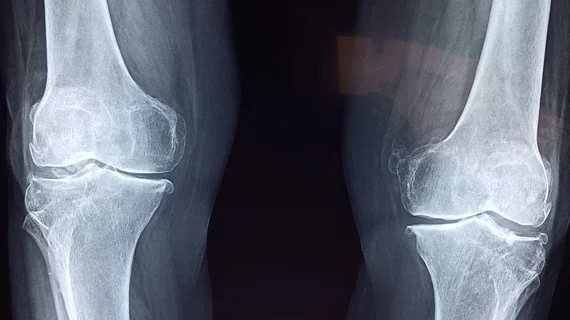
Physicians utilize medical imaging to see inside the body to diagnose and treat patients. This includes computed tomography (CT), magnetic resonance imaging (MRI), X-ray, ultrasound, fluoroscopy, angiography,  and the nuclear imaging modalities of PET and SPECT. 

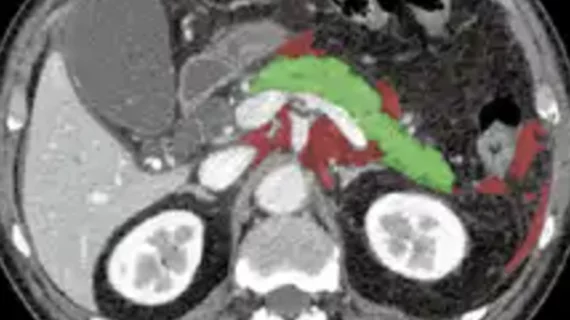
AI detects incidental breast lesions on routine CT scans

AI detects twice as many incidental lesions as radiologists

Prior research has suggested that these incidental lesions turn out to be cancerous in up to 70% of cases, making their timely detection critical. 

Ty Bode, senior director of strategy at GE Healthcare, explains the details of a new, economical cardiac CT scanner GE Healthcare launched at the American College of Cardiology (ACC) 2025 meeting. The Revolution Vibe is designed specifically for coronary CT angiography (CCTA), but at a lower price point than the traditional high-end, flagship scanner that have traditional performed CCTA work.

A closer look at GE HealthCare's new affordable cardiac CT scanner

As cardiac CT continues to get used more and more, GE HealthCare has launched a new scanner designed to meet the needs of both outpatient imaging centers and larger hospitals. 

neck ultrasound thyroid

RadNet enters ultrasound AI, acquiring imaging vendor See-Mode Technologies

Founded in 2017, the Melbourne, Australia-based company offers software that analyzes breast and thyroid images, “producing fast and accurate radiology reports.” 

prostate cancer PSA

Earlier treatment with Pluvicto may be beneficial for patients with hormone-sensitive prostate cancer

The drug has shown a “clinically meaningful benefit” in these patients, suggesting its potential as an earlier treatment option than previously thought, Novartis reports. 

Dean Kereiakes, a nationally renowned interventional cardiologist and president of The Christ Hospital Heart and Vascular Institute, has long been recognized for his groundbreaking work in cardiovascular research and intervention. But in 2024, his career and his life were permanently altered when decades of wearing heavy lead protection in the cath lab left him paralyzed.

Cardiologist became paralyzed after wearing heavy aprons in the cath lab for decades—but he fought back

Dean J. Kereiakes, MD, was left paralyzed after battling severe orthopedic issues for his entire career. Back in the cath lab after a long recovery, he is now stressing the importance of workplace safety among interventional cardiologists.

Thumbnail

Time in nature changes kids' brains on a structural level, imaging data show

New findings published in Biological Psychiatry provide insight into the connection between time spent outside and improvements in neurodevelopment.

Calcified carotid plaques more likely to rupture than previously believed

Calcified carotid plaques more likely to rupture than previously believed, MRI findings suggest

Ruptured plaques can lead to the formation of blood clots that significantly increase the risk of stroke.

ChatGPT large language models radiology health care

ChatGPT excels at assessing breast pain symptoms, deciding if patients require imaging

This task could potentially be performed by a member of the radiology scheduling team with oversight by a clinical nurse navigator.