Medical Imaging

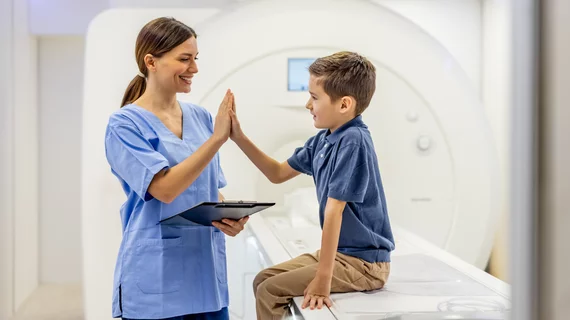
Physicians utilize medical imaging to see inside the body to diagnose and treat patients. This includes computed tomography (CT), magnetic resonance imaging (MRI), X-ray, ultrasound, fluoroscopy, angiography,  and the nuclear imaging modalities of PET and SPECT. 

Thumbnail

Pain, pride and a renewed sense of purpose: Radiology residents reflect on their time in a COVID care unit

Two trainees with New York-Presbyterian Hospital shared their experiences in Clinical Radiology.

Thumbnail

Preventative, elective care plummet nationwide amid pandemic, including drops in mammography, MRI

The JAMA study is one of the first to quantify cuts in such care, authors claim, using data from nearly 7M commercially insured Americans in all 50 states. 

Thumbnail

Ensuring developing regions have access to prenatal ultrasound would spare unnecessary deaths

Radiography providers in Nigeria reviewed the challenges and benefits, offering up their own recommendations recently.

Thumbnail

Dynamic contrast-enhanced MRI helps clinicians diagnose Bell’s palsy

The approach accurately detected facial muscle abnormalities associated with the condition, according to research published in Clinical Radiology.

Thumbnail

Acoustic noise reduction in MRI significantly reduces patient discomfort without hurting image quality

Loud sounds emitting from magnetic resonance machines can erode the patient experience, but Swiss experts may have found the fix. 

ovaries ovarian cancer

Follow-up ultrasound ovarian imaging offers little benefit to patients, experts advise

The incidental spotting of these “simple cysts” has increased in recent years, leading to unnecessary surveillance, Mass General researchers noted. 

Call center

Teleradiologists’ accuracy diagnosing COVID-19 underscores remote reading’s importance during emergencies

Senior radiologists agreed with their remote peers' interpretations in most instances, according to a new multi-center study published in European Radiology.

Thumbnail

Man died after receiving ‘unnecessary’ contrast scan, despite kidney issues

Radiologists signed off on the exam, but never took the proper steps to determine the 91-year-old's contrast risks.