Medical Imaging

Physicians utilize medical imaging to see inside the body to diagnose and treat patients. This includes computed tomography (CT), magnetic resonance imaging (MRI), X-ray, ultrasound, fluoroscopy, angiography,  and the nuclear imaging modalities of PET and SPECT. 

differentiating between malignant and vaccine-related lymphadenopathy

AI model outperforms rads at distinguishing malignant from reactive lymph nodes on US

“Visual techniques are not enough to correctly classify nodes in patients after COVID-19 vaccination,” experts shared in EJR.

Thumbnail

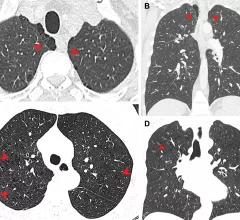
Reducing image-guided lung biopsy complications

Experts observed significantly reduced pneumothorax and pulmonary hemorrhage rates of 8% and 6% when utilizing the method.

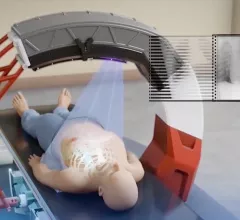
Lightweight, short-stature MR scanner cleared

The FDA has greenlit a whole-body MRI machine that uses deep learning and advanced image processing to wring “elevated image quality” from a magnet with only 0.55 Tesla field strength.

Thumbnail

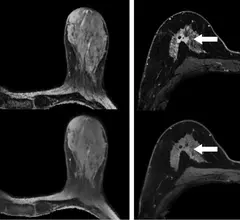
Another mammography team in hot water over image quality

The FDA is notifying patients and referrers of another breast-imaging service’s slide into noncompliance with regulatory standards for image quality.

POCUS access: Urban oases, rural deserts

Fewer than 40% of rural counties in the U.S. can offer residents any access to point-of-care ultrasound, while nearly 90% of their metropolitan counterparts have POCUS aplenty. 

Thumbnail

New consensus guidelines for fluoroscopic swallow studies released

The 40 evidence-based recommendations touch on everything from patient selection to study choice, radiation safety, clinical team dynamics, procedural techniques, study interpretations and more. 

Thumbnail

Measures associated with hospital readmission of pancreatitis patients

Beyond readmission, 32.9% of patients with increased pancreatic necrosis volumes required additional invasive interventions.

Thumbnail

Pop-up assessment reduces unnecessary use of head CTs in pediatric trauma settings

The alerts resulted in an overall reduction of CT scans—down to 29.8% from 38.6%—and increased PECARN guideline adherence.