Medical Imaging

Physicians utilize medical imaging to see inside the body to diagnose and treat patients. This includes computed tomography (CT), magnetic resonance imaging (MRI), X-ray, ultrasound, fluoroscopy, angiography,  and the nuclear imaging modalities of PET and SPECT. 

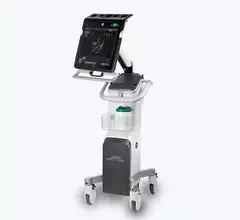
Wireless ultrasound device helps manage treatment in patients with sepsis

FloPatch is a wireless, wearable, FDA-approved doppler ultrasound system that attaches directly to a patient’s neck to continuously monitor carotid blood flow during intravenous fluid therapy.

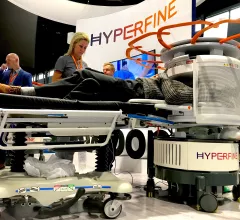
The pediatric hybrid intraoperative MRI neurosurgery suite at Children's Minnesota

A first in pediatrics: Hybrid intraoperative MRI neurosurgery suite

The suite enables doctors to perform brain and total spine scans mid-procedure for surgeries involving brain tumors, epilepsy, traumatic injuries, and more. 

Advanced imaging does not always improve outcomes, data suggest

Although advanced imaging exams have proven benefits in defining disease severity, new data indicate that more sophisticated studies might not impact outcomes as much as previously thought. 

Thumbnail

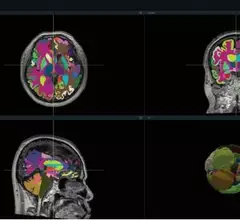
New neural-redundancy metric accurately detects mild cognitive impairment

Redundant brain pathways can serve as pre-symptomatic indicators of mild cognitive impairment (MCI) in aging individuals, allowing care teams to design first-line neuropsychological exercises for slowing the possible approach of Alzheimer’s disease.

COVID-19 coronavirus

Vaccinated patients more likely to exhibit normal chest CT after COVID infection

Both vaccine status and variant type were shown to be associated with differing COVID severity and chest CT patterns. 

Imaging advocacy group warns of supply shortage that’s having ‘profound negative impact’ on patient care

Radiologists took to Twitter to voice their frustrations over the worsening situation, while the manufacturer issued an update Thursday.   

Thumbnail

FDA to require breast-density notifications from mammography facilities

The administration also is strengthening its ability to oversee imaging providers and enforce standards in the Mammography Quality Standards Act. 

#covidboostersideeffects #axillarylympadenopathy

COVID booster side effects: How long does axillary lymphadenopathy last after vaccination?

Axillary lymphadenopathy following COVID vaccination and/or boosters is a finding all radiologists must be mindful of when interpreting imaging, but new data clarify the timeline for when the side effect should resolve.