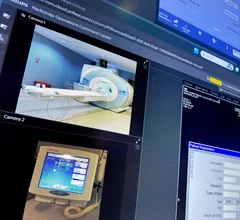
Medical Imaging

Physicians utilize medical imaging to see inside the body to diagnose and treat patients. This includes computed tomography (CT), magnetic resonance imaging (MRI), X-ray, ultrasound, fluoroscopy, angiography,  and the nuclear imaging modalities of PET and SPECT. 

How the proposed Medicare Physician Fee Schedule could impact nuclear cardiology

The American Society of Nuclear Cardiology explored some key points included in the 2025 Medicare Physician Fee Schedule proposed rule.

Thumbnail

Department of Energy awards SHINE $32M in effort to boost domestic isotope supply

The U.S. consumes around half of the world’s supply of Mo-99 and relies largely on other countries to provide the isotope.

MRI study shows how magic mushrooms affect brain connectivity in a way that allows people to temporarily escape reality

MRIs pinpoint how magic mushrooms affect brain connectivity, paving way for effective mental health therapeutics

A new MRI analysis shows how psilocybin temporarily alters the signals of the brain’s default mode network.

Thumbnail

Nearly 40% of women in their 40s would delay mammography screening after learning of its downsides

Many found information about the benefits and harms of mammography "surprising," experts wrote in the Annals of Internal Medicine. 

Contrast protocols based on lean body weight save supplies, reduce patient risk

Adjusting contrast dose based on a patient’s lean body weight provides the same image quality as other administration methods, new data show.

SCCT aims to provide common language for CCTA use with updated guidance

The Society of Cardiovascular Computed Tomography has developed a new expert consensus document designed to get physicians on the same page when discussing this growing technology. 

Emily Lau, MD, Mass General Hospital, discusses sex differences in cardiovascular presentations of women.

CVD presents differently in women than it does in men—guidelines should reflect that

Emily Lau, MD, a women's health expert with Massachusetts General Hospital, thinks major changes are needed in how we diagnose CVD in women. "Our guidelines need to be more precise and offer sex-specific recommendations," she says.

Thumbnail

Structured reporting improves outcomes for patients with placenta accreta spectrum

New data details an association between the implementation of structured templates and a reduction in patients being admitted to the intensive care unit.