Breast MRI

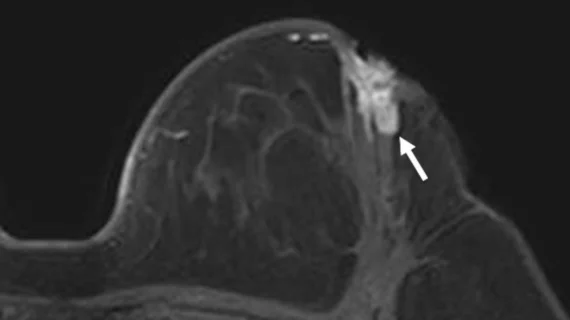
Magnetic resonance imaging of the breast (breast MRI), commonly used for dense breasts, is a highly accurate imaging modality for detecting early breast cancer and other abnormalities without using excess radiation. It’s often used alongside digital mammograms and digital breast tomosynthesis to offer detailed visualization of breast lesion margins. 

radiation oncology therapy treatment

Pre-op MRI not necessary for all breast cancer patients, new data suggest

In some cases, it may actually be more beneficial for this group of women to forego the extra scans, as they can lead to additional testing, costs and potentially delays in care.

Thumbnail

Pre-op MRI reveals additional malignant lesions in up to 25% of breast cancer patients under 40

In many cases, these additional findings prompt providers to adjust their surgical plans, new data suggest.

breast cancer screening mammography

Mammography false negative rates rising, driven by a few key factors

The number of women who had a screening mammogram miss cancer leapt from less than 1 per 1,000 women in 2010 up to as high as 2.5 by 2022.

Pre-operative breast MRI improves outcomes in younger women with breast cancer

Pre-op MRI may improve breast cancer care for younger patients

Advanced imaging among this patient population could help radiologists better understand the risk of potential cancer recurrence. 

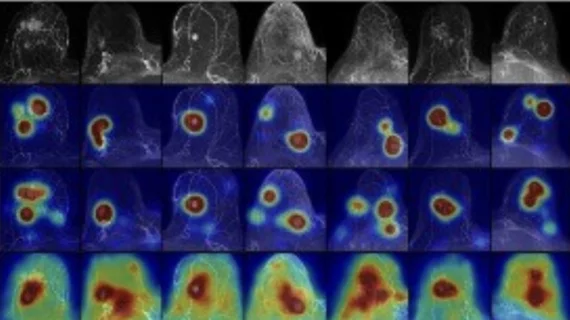
Explainable AI spots more cancer on breast MRI

Explainable AI boosts breast cancer detection on MRI

Experts involved in the model's development are hopeful their take on explainable AI can reduce problematic false positive rates common in breast MRI. 

AI-directed scan protocols cut back on unnecessary MRI sequences

Artificial intelligence could serve as an effective tool for determining which patients may need additional breast MRI sequences mid-protocol.

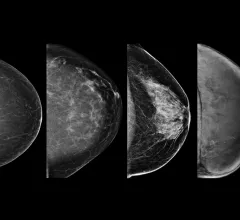
Example of the four types of breast tissue density. The density of fibroglandular tissue inside the breast impacts the ability to easily see cancers. Cancers are very easy to spot in fatty breasts, but are almost impossible to find in extremely dense breasts. These examples show craniocaudal mammogram findings characterized as almost entirely fatty (far left), scattered areas of fibroglandular density (second from left), heterogeneously dense (second from right), and extremely dense (far right). RSNA

Which exam is best for supplemental imaging of women with dense breast tissue?

It is widely agreed that women with dense breast tissue should undergo supplemental imaging in addition to their routine mammogram screening, but the jury is still out on which modality is best for cancer detection in this group. 

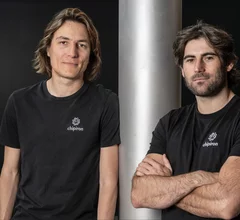
Chipiron Evan Kervella and Dimitri Labat

Startup seeking to make MRI ‘10 times less expensive’ raises $17M

Paris, France-based Chipiron will use the Series A financing to build a prototype of its portable machine, hoping to launch clinical trials in 2026.