Diagnostic screening programs help catch cancer, abnormalities or other diseases before they reach an advanced stage, saving lives and healthcare costs. Screening programs include, lung, breast, prostate, and cervical cancer, among many others.

The COlorectal Cancer detection with AI, or COCA, model is a cost-effective, scalable solution that turns routine CT scans into opportunistic exams that can be used to proactively identify CRC.
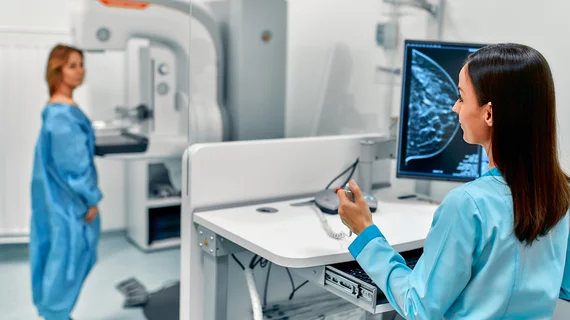
Two respected radiology organizations have issued a stark warning on the new recommendations, stating that they risk confusing patients and “may contribute to thousands of additional breast cancer deaths each year.”
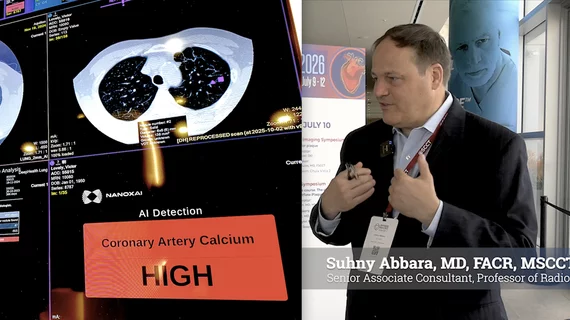
New findings from a large CT lung cancer screening dataset reveal that a substantial number of patients have significant incidental findings visible on their scans.
Decreased screening rates among different subgroups highlight the ongoing need for outreach strategies that target vulnerable populations, experts contend.
The COlorectal Cancer detection with AI, or COCA, model is a cost-effective, scalable solution that turns routine CT scans into opportunistic exams that can be used to proactively identify CRC.
Two respected radiology organizations have issued a stark warning on the new recommendations, stating that they risk confusing patients and “may contribute to thousands of additional breast cancer deaths each year.”
New findings from a large CT lung cancer screening dataset reveal that a substantial number of patients have significant incidental findings visible on their scans.
Decreased screening rates among different subgroups highlight the ongoing need for outreach strategies that target vulnerable populations, experts contend.
Though the study of AI in lung cancer screening is not new, prior research has been retrospective in nature, making it challenging to determine the impact.