Providers utilize business intelligence to monitor referral patterns and collaborate with clinicians who order their services. Such analytics tools have also been deployed in the specialty to improve productivity, track patient satisfaction and bolster quality.

Make way for MiniMed! Medtronic's diabetes division has filed the necessary paperwork to go public. The company hopes to be traded on Nasdaq under the symbol MMED.
The Pennsylvania-based drug distributor announced it would be buying OneOncology, a physician-led specialty service group in which it already owned a minority stake. The company said the acquisition will complement its "pharmaceutical-centric strategy."
Paxton says the “woke” EHR giant is intentionally making it harder for patients and families to access historical medical data, violating state law. Epic denies the allegation.
Mark Cuban's startup Cost Plus Drugs and insurer Humana are said to be working on a deal that would allow Medicare Advantage patients to buy drugs directly from manufacturers. The terms of the agreement—which Forbes reports is in its early stages—are still unknown.
Many if not most hospitals and other provider organizations take a decided interest in what their peer institutions are doing with AI. A major motivator for the keen curiosity is gauging how well one is keeping up with the Joneses. So to speak.
The FTC has back-burnered its price collusion case against CVS Caremark, Optum Rx and Express Scripts after significant staff departures at the agency left it uncertain how to proceed.
Questions remain about the alleged breach on a legacy server at Oracle Health, as the nature of the attacks and scope of stolen data are still being investigated.
A legacy server accessed with stolen credentials is being blamed for the incident. However, the nature and scope of the attack are still being investigated, with Oracle reportedly working with the FBI to gather details.
There are at least 65 consolidated cases pending in federal courts that stem from the 2024 data breach on the claims processor's network. A judge in Minnesota has asked that the lawsuits be coordinated and consolidated as much as possible.
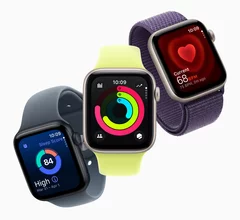
Wearable health gadgets equipped with AI present myriad opportunities and challenges to healthcare consumers and the healthcare professionals who diagnose, treat and track them.