Cardiac Surgery

Cardiothoracic surgery includes coronary artery bypass surgery (CABG), heart valve repair or replacement, left ventricular assist device (LVAD) placement, heart transplant, assisting in minimally invasive transcatheter valve structural heart procedures such as TAVR, left atrial appendage (LAA) occlusion, septal myectomy, surgical ablation for arrhythmias, and reconstruction of the heart in congenial heart disease cases. 

Video interview with Mario Gaudino on trends in cardiac surgery.

Veteran surgeon unpacks major changes in the world of cardiac surgery

Mario Gaudino, MD, PhD, spoke to Cardiovascular Business about minimally invasive procedures, the growing interest in clinical trials and other key trends in the world of cardiac surgery.

Thumbnail

Permanent pacemaker implantation after mitral valve surgery: Exploring the impact on long-term survival

PPMI after aortic valve surgery is known to increase certain risks for patients, but its impact after mitral valve procedures is unclear. A team of researchers aimed to learn more, tracking data from more than 4,500 patients.

cardiologists heart doctors

Early TAVR or SAVR in asymptomatic patients linked to improved survival, reduced costs

Researchers explored data from more than 24,000 AVR patients, presenting their findings at EuroPCR in Paris.

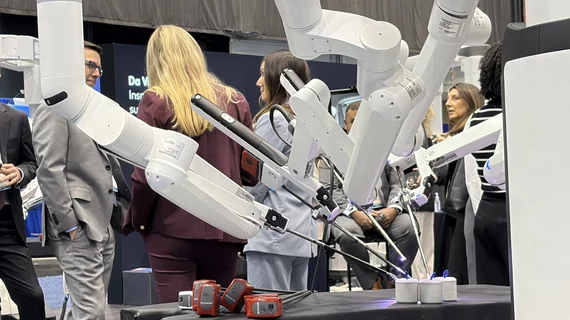
robotic heart surgery cardiac surgeon

LVOT modification during robotic mitral valve repair limits complications

While LVOT modification does make these procedures longer, it can help high-risk patients avoid systolic anterior motion.

The PleuraFlow Active Clearance Technology (ACT) System from ClearFlow

Chest tube-clearing device improves recovery, limits readmissions after heart surgery

“Conventional chest tubes are prone to clogging, which can hinder recovery,” one researcher explained. 

heart surgery surgeons

When valves fail: Surgeons share advice for treating high-risk patients with TAVR explant and SAVR

When a patient’s TAVR valve fails, redo TAVR is not always a feasible option. TAVR explantation and SAVR are typically the answer in these cases, but that approach is associated with certain risks. 

TAVR and SAVR deliver similar outcomes for patients with low-flow, low-gradient aortic stenosis

Paravalvular leak was more common after TAVR, as one may expect, but that was the only notable difference between the two aortic valve replacement strategies. The study's authors did highlight the importance of additional research, including larger studies with longer follow-up periods.

heart ice cool cold freezing frozen

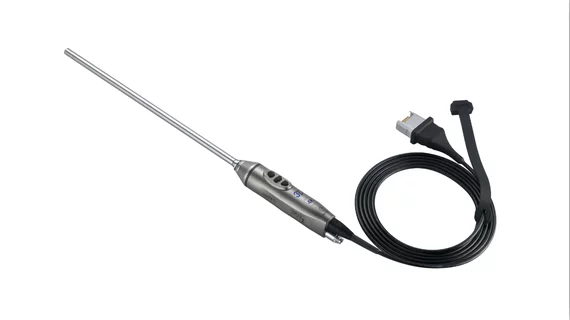
Cardiologists are first in world to use new cooling device to terminate AFib during surgery

Patients often develop AFib during cardiac surgery, leading to longer hospital stays, additional healthcare costs and a higher risk of mortality. Cooling the oblique sinus of the patient's heart as soon as AFib starts to develop may represent a new way to stop the problem in its tracks.