Cardiac Imaging

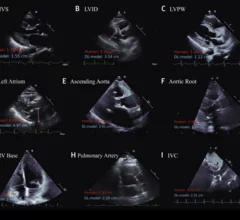
While cardiac ultrasound is the widely used imaging modality for heart assessments, computed tomography (CT), magnetic resonance imaging (MRI) and nuclear imaging are also used and are often complimentary, each offering specific details about the heart other modalities cannot. For this reason the clinical question being asked often determines the imaging test that will be used.

COVID-19 linked to accelerated plaque growth, long-term risk of heart attack or stroke

These risks appear to be present regardless of a person's age or health at the time of infection.

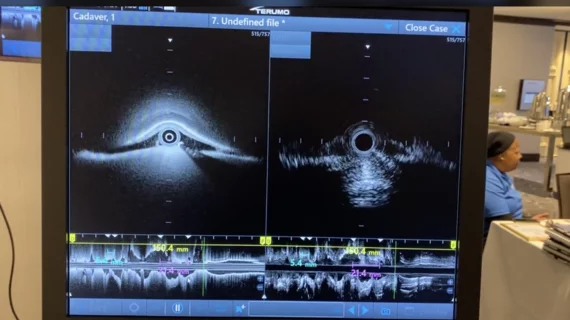
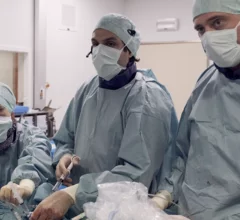
D. Scott Lim, MD, medical director of the Advanced Cardiac Valve Center, and co-director of the Adult Congenital Heart Disease Center at University of Virginia (UVA) Health in Charlottesville, and an associate professor at the University British Columbia, explains how intracardiac echo (ICE) is increasingly being used to help guide structural heart procedures.

Key details on the use of ICE to guide structural heart procedures

Scott Lim, MD, details his experience using intracardiac echo to help guide structural heart procedures with or without traditional TEE. One key benefit of ICE, he explained, is its ability to overcome imaging challenges posed by prior cardiac surgeries.

Medical imaging trends to watch in 2025

The healthcare market analysis firm Signify Research released a list of predictions in radiology its analysts expect to see in 2025. 

MRI technique analyzes composition of fat surrounding heart.

New MRI technique spots signs of heart disease before symptoms emerge

Researchers with the University of Virginia Arlington are working to develop a new way of analyzing fat content around the heart. 

AI cardiology heart artificial intelligence deep learning

New AI model uses ECG images to evaluate heart failure risk

The advanced algorithm only needs an image or photograph of a 12-lead ECG to make its assessment. 

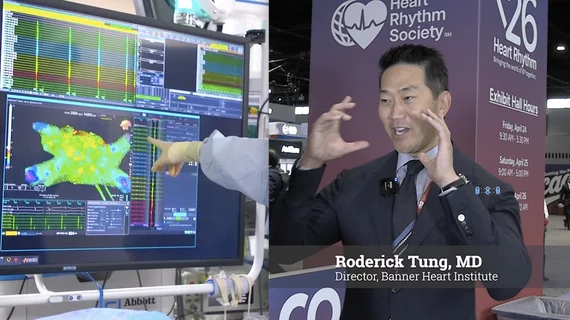
George Dangas, MD, 2023-24 president of SCAI, director of cardiovascular innovation at Mount Sinai Hospital, and director of the TCT meeting, explains key trends he sees in interventional cardiology.

New directions and trends in interventional cardiology

Interventional cardiology continues to evolve, driven by rapid advancements in technology. George Dangas, MD, discussed some of the specialty's biggest ongoing trends with Cardiovascular Business. 

A majority of medical devices involved in Class I recalls were never required by the U.S. Food and Drug Administration (FDA) to undergo premarket or postmarket clinical testing, according to new research published in Annals of Internal Medicine.[1]

Valve durability after TAVR: Cardiologists track how deterioration influences outcomes

Researchers have made it a priority to learn as much about the durability of TAVR valves as possible. A new study in JACC: Cardiovascular Interventions used updated VARC-3 definitions to identify signs of hemodynamic valve deterioration in nearly 2,500 patients.

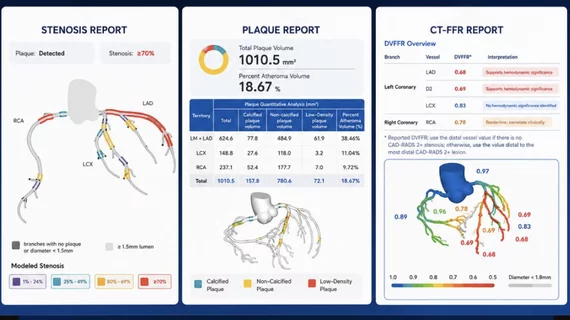
AI-powered heart assessments of NFL veterans could help cardiologists tackle CVD

Retired NFL players Joel Dreessen and Le-Lo Lang are among the first athletes participating in a new registry launched by HeartFlow and the Boone Heart Institute.