Artificial Intelligence

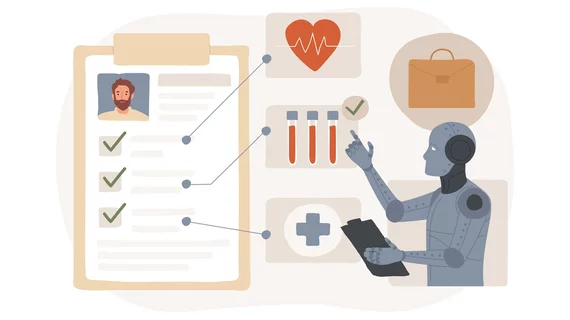
Artificial intelligence (AI) is becoming a crucial component of healthcare to help augment physicians and make them more efficient. In medical imaging, it is helping radiologists more efficiently manage PACS worklists, enable structured reporting, auto detect injuries and diseases, and to pull in relevant prior exams and patient data. In cardiology, AI is helping automate tasks and measurements on imaging and in reporting systems, guides novice echo users to improve imaging and accuracy, and can risk stratify patients. AI includes deep learning algorithms, machine learning, computer-aided detection (CAD) systems, and convolutional neural networks. 

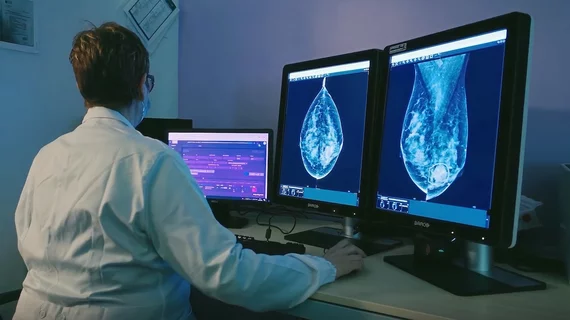
Breast arterial calcifications (BACs) identified on screening mammograms may help identify women who face a heightened risk of developing cardiovascular disease (CVD), according to a new analysis published in Clinical Imaging.

AI quantifies breast arterial calcifications on mammograms

There are no standards requiring radiologists to report on the presence of BACs, even though up to half of referring providers have indicated they would prefer to be made aware of the finding. 

Breast arterial calcifications (BACs) identified on screening mammograms may help identify women who face a heightened risk of developing cardiovascular disease (CVD), according to a new analysis published in Clinical Imaging.

Opportunistic screening: AI highlights key heart findings in mammography images

Breast artery calcifications are already visible when radiologists review mammograms, but nothing typically happens with them. Researchers aimed to see if AI could help translate those findings into an easy-to-understand cardiovascular risk score.

AI not currently safe to use as a standalone reader in breast cancer screenings.

AI 'not safe' to be implemented as a solo reader for breast cancer screening exams

Despite the great progress that has been made toward the clinical implementation of AI, new data caution against trusting the technology as a single reader in certain settings.

GE HEalthcare Nvidia robotics AI ultrasound imaging X-ray

Using robotics to automate X-ray, ultrasound workflows the goal of new GE HealthCare-Nvidia partnership

They announced the collaboration on Tuesday, hoping to simplify “complex workflows” such as patient placement, image scanning, and quality checks. 

health insurance AI controversy

Healthcare AI newswatch: Payer AI regulation please, pharmacy AI, nurses v. AI redux

Unionized nurses: ‘AI overrides our expertise and degrades the quality of care.’ 

artificial intelligence AI in healthcare equity equality disparities

Will AI help or hurt the cause of healthcare equality?

AI has a long way to go before it meaningfully closes disparities in healthcare access and delivery. In fact, even when aimed at that goal, the technology can backfire. 

The rapid rise of artificial intelligence (AI) has helped cardiologists, radiologists, nurses and other healthcare providers embrace precision medicine in a way that ensures more heart patients are receiving personalized care.

The revolution is here: AI’s growing role in cardiovascular imaging, interventional cardiology

AI has already made a massive impact on healthcare, especially in the fields of cardiology and radiology. With the FDA clearing more and more algorithms, this trend is only expected to grow as time goes on.

American College of Radiology ACR

American College of Radiology to launch AI accreditation program

As the use of AI in imaging continues to grow, it’s “become clear" that real world performance of these products can defer from premarket testing, experts note.