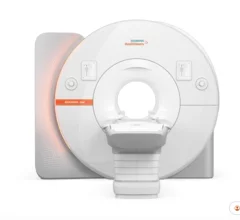
Magnetic Resonance Imaging

Magnetic resonance imaging (MRI) is the gold standard imaging modality for soft tissues. It produces detail cross-sectional images of soft tissue and bone anatomy, including muscles, tendons, ligaments, brain and organs, without the use of ionizing radiation. In addition to orthopedic imaging, MRI is also used for heart, brain and breast. MRI uses gadolinium contrast in many exams to highlight tissues and blood vessels, which enhances images and offers better diagnostic quality. It can also be used in conjunction with PET scans. How does MRI work? MR creates images by using powerful magnets to polarize hydrogen atoms in water (the body is made of of more than 80% water) so they face in one direction. A radiofrequency pulse is then used to ping these atoms, causing them to wobble, or resonate. The MRI coils detect this and computers can assemble images from the signals. Basic MRI scans will focus on the resonance of fat and water in two different sequences, which highlight and contrast different features in the anatomy.


Artificial Intelligence AI in healthcare

MRI data suggest COVID likely affects the neurological health of everyone, even those who fully recover

Even if an individual has fully recovered from COVID-19 and is able to return to their normal routines, the structural and chemical makeup of their brain may not return to its pre-COVID state.

technologist remote scanning Philips Radiology Operations Command Center ROCC

'We've got to set the standard': Imaging leaders want safety at the forefront of remote operations

Perhaps the biggest sticking point in the debate around remote imaging operations relates to the bedside. If a technologist is running the exam remotely, who is tending to patients on-site? 

radiation oncology therapy treatment

Pre-op MRI not necessary for all breast cancer patients, new data suggest

In some cases, it may actually be more beneficial for this group of women to forego the extra scans, as they can lead to additional testing, costs and potentially delays in care.

Significant portion of stat MRI orders are not actually urgent

Data presented during the RSNA 2025 annual meeting question the legitimacy of high priority magnetic resonance imaging orders. 

prostate surgeon cancer PAE interventional

4 key factors that impact prostate MRI quality

MRI is an essential tool for diagnosing and managing the disease, but poor image quality and interpretation variability continue to hinder its widespread adoption

Experts call for more judicious use of contrast, highlighting environmental concerns

New data highlight the significant burden contrast media use places on the environment, prompting experts to call for more stringent use of these agents. 

The future of MRI is helium-free

The healthcare industry accounts for close to 30% of global helium consumption, with MRI equipment needs accounting for a significant portion of that figure.

doctor telehealth computer screen

Accessibility emerged as a prominent theme during RSNA 2025

Remote scanning, mobile operations and telehealth logistics were among some of the week’s most talked about topics.