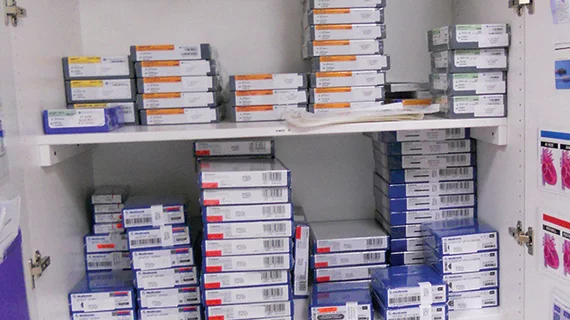
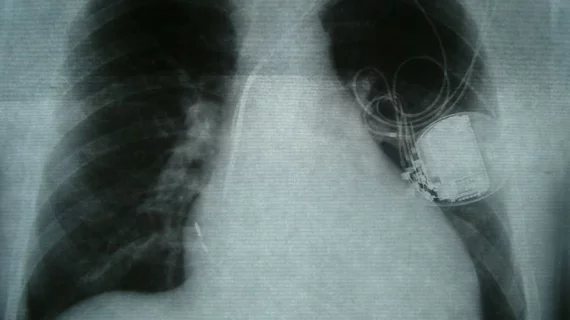
Making cardiac catheterization labs more efficient and less wasteful could help reduce the large carbon footprint associated with healthcare, according to a new commentary published in JACC: Cardiovascular Interventions.
Credit: Hong-Jun Yoon/Oak Ridge National Laboratory, U.S. Dept. of Energy
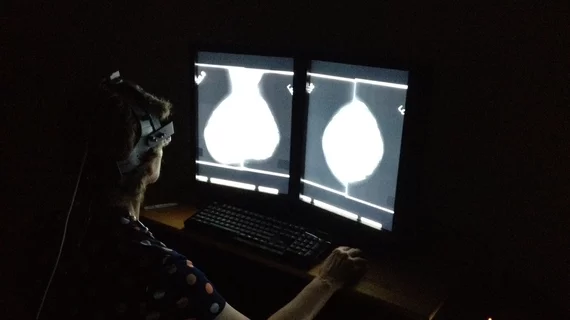
Breast radiologists are known to have higher rates of burnout in comparison to many of their peers, but the beginning of the pandemic brought this group something not often encountered within the specialty—downtime.
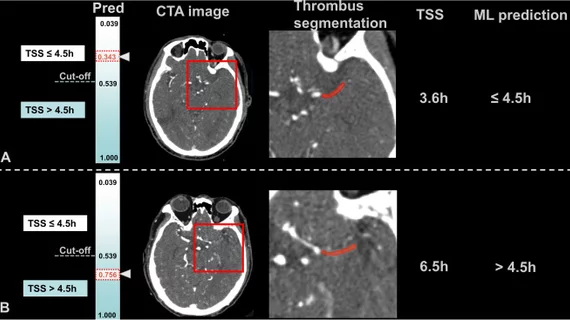
Clinical application of radiomics for estimating the TSS. Two cases of acute cerebral infarction due to middle cerebral artery (MCA) occlusion. Image and caption courtesy of Academic Radiology.
Although the predictive power of radiomics has been touted as a tool that could improve patient outcomes, the method has a long way to go before it can be reliably introduced into real-world clinical environments.
The updated recommendations from the American College of Cardiology and American Heart Association cover a variety of topics, including patient communication, follow-up imaging, nutritional supplements and more.
"This system is bringing with it a greater humanization of AI and therefore a more realistic representation of what we do as radiologists,” one member of the specialty said.
Radiology education researchers have created an image-intensive online course for third- and fourth-year medical students wishing to learn radiology remotely.