There’s no shortage of resources for healthcare workers who wish they knew AI well enough to talk shop with the technology pros who develop the models. The problem is weeding through the offerings to get to what will really work for you.
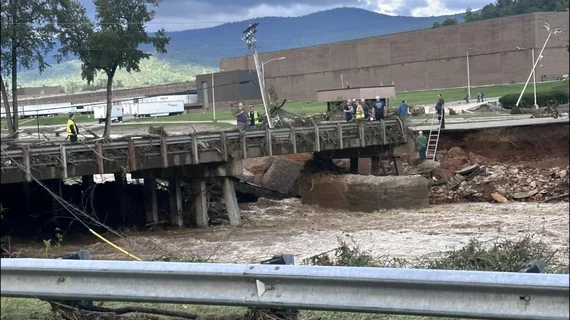
Hurricane Helene damaged a bridge that leads to a Baxter North Cove facility in North Carolina. The strong flood currents eroded away the shore and collapsed a quarter of the bridge.
The company said its largest production line at its North Carolina plant is operational, accounting for 25% of total output. The site was damaged by flood waters from Hurricane Helene.
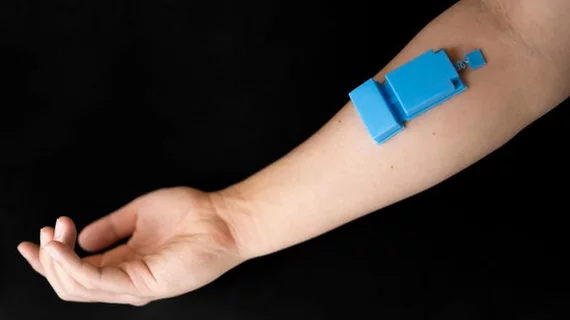
The system provides long-term, wireless monitoring of muscle activity and function. Experts are hopeful that it could have utility in multiple healthcare settings.
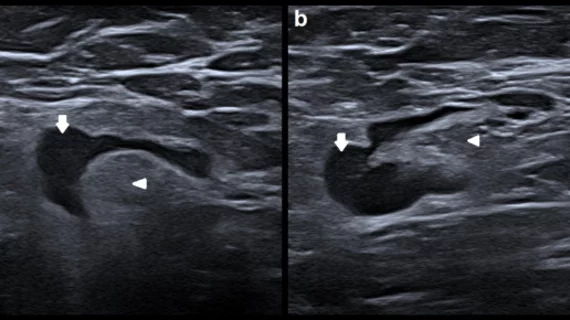
Image courtesy of the European Journal of Radiology.
Source
European Journal of Radiology
Although serious adverse events related to COVID-19 vaccines are rare, some are life-threatening. It is important that radiologists are aware of how these complications present.
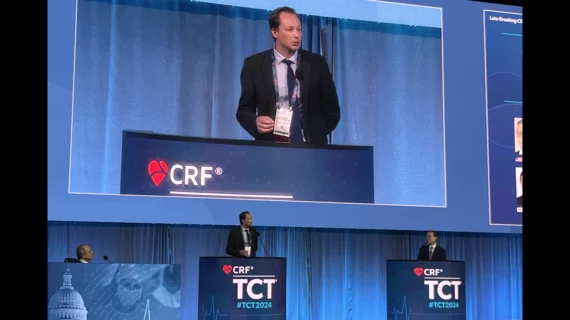
Alexander R. van Rosendael, MD, PhD, presents late-breaking data on AI-enabled coronary plaque assessments at TCT 2024.
AI-enabled coronary plaque assessments deliver significant value, according to late-breaking data presented at TCT. These AI platforms have gained considerable momentum in recent months, receiving expanded Medicare coverage in addition to a new Category I CPT code.
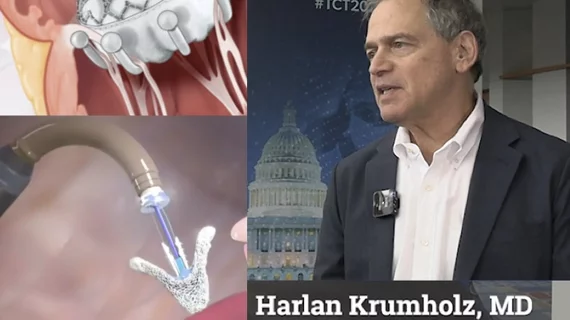
Harlan Krumholz, MD, editor-in-chief of the Journal of the American College of Cardiology, said tricuspid valve treatments are a popular topic among cardiologists right now. TAVR research, meanwhile, remains as important as ever.