Avoidance and mixed signals have long plagued the palliative care discussion in cardiology, but that could be changing, according to research presented at the American College of Cardiology’s 67th annual meeting in Orlando, Florida.
Clinicians might be saved time and improve their diagnostic accuracy when deep learning is applied to echocardiography, according to a recent article from Cardiovascular Business (CVB) regarding this year's American College of Cardiology annual meeting in Orlando.
Applying natural language learning and deep neural networks to mortality risk models could help predict cardiovascular outcomes with more accuracy than modern support vector machines, researchers said at the 67th annual American College of Cardiology conference in Orlando.
Diagnostic error remains a major setback to improving the quality of radiology and overall interpretation of imaging examinations. What consistently induces diagnostic error is a radiologist's cognitive bias, according to a recent article published in the American Journal of Roentgenology.
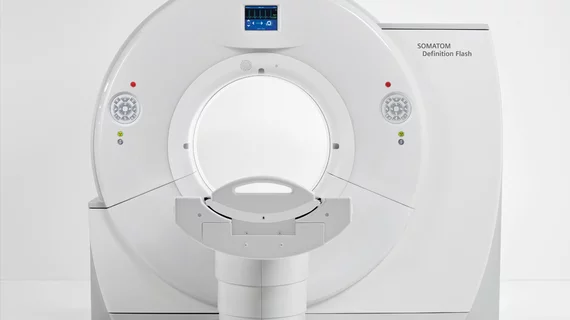
Siemens’ healthcare division, Siemens Healthineers, began trading on Germany’s stock exchange Friday, raising $5.2 billion (4.2 billion euros) by selling 15 percent of the company. Shares were issued at 28 euros each but opened at 29.10 euros each.
Brown University researchers have found that healthy people who take ADHD drugs may experience consistent changes in positive emotion, according to an online university news release.