Home

FAST stroke recognition program fails to improve TIA and minor stroke response in UK

stroke

The Face, Arm, Speech and Time (FAST)-based public education, utilized in several countries to improve stroke symptom recognition, has not improved the response to transient ischemic stroke (TIA) and minor stroke in the United Kingdom, according to new research published July 2 in JAMA Neurology.

  • Read more about FAST stroke recognition program fails to improve TIA and minor stroke response in UK

Cardiac hybrid imaging can help specialists predict heart attacks

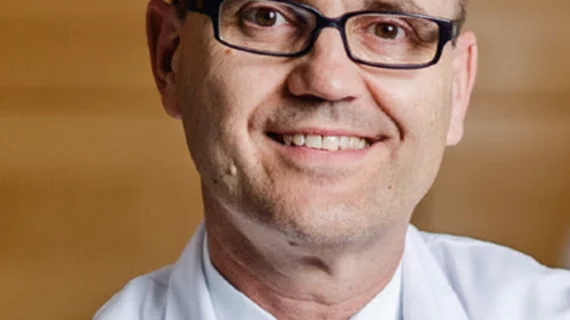
Philipp A. Kaufmann, MD

Philipp A. Kaufmann, MD

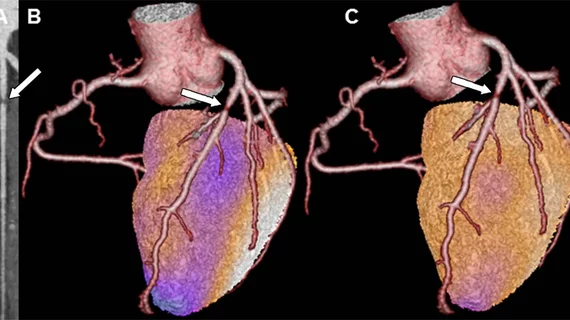
Cardiac hybrid imaging with single photon emission tomography (SPECT) myocardial perfusion imaging (MPI) and coronary CT angiography (CCTA) is an effective predictor of adverse cardiac events, according to a new study published in Radiology.

  • Read more about Cardiac hybrid imaging can help specialists predict heart attacks

Pfizer hikes prices for 100 prescription drugs by an average 9%

Pfizer has increased prices for 100 drugs, including Viagra, by an average of 9 percent, according to The Financial Times. The move from America’s largest pharmaceutical company, which took effect July 1, came just a month after President Donald Trump addressed drug costs, saying the industry would voluntarily slash prices.

  • Read more about Pfizer hikes prices for 100 prescription drugs by an average 9%

Hybrid cardiac imaging may improve prediction of heart attack risk

174122_web.jpg

Photo courtesy of the Radiological Society of North America (RSNA). 

In those tested for coronary artery disease, research published July 3 in Radiology suggests that cardiac hybrid imaging with CT imaging and nuclear stress testing may be an effective predictor of heart attack risk and other adverse cardiac events.

  • Read more about Hybrid cardiac imaging may improve prediction of heart attack risk

Study: Embolic protection devices capture debris in 99% of TAVR patients

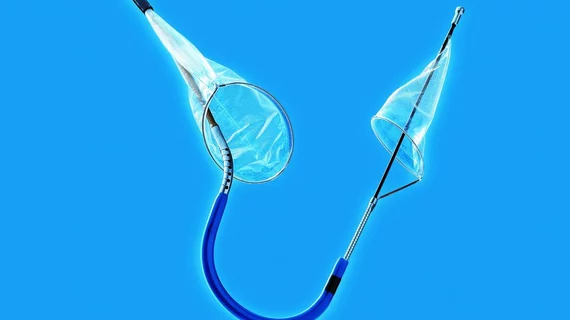
Nearly all transcatheter heart valves (THVs) leave debris following aortic valve replacement, reinforcing the potential for embolic protection devices to reduce the burden of silent brain infarctions and future strokes.

  • Read more about Study: Embolic protection devices capture debris in 99% of TAVR patients

MRI-compatible ultrasound system may improve flexibility

Optical Ultrasound

Erwin J. Alles, University College London

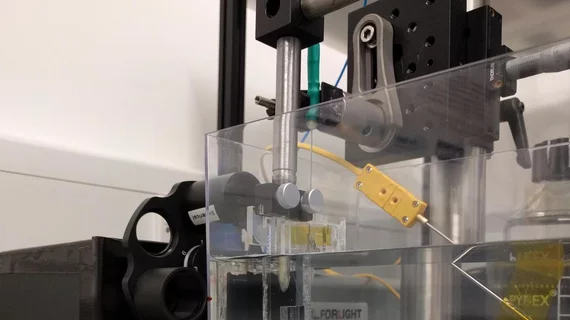
A new ultrasound prototype utilizing an optical—rather than electronic—system may provide flexibility in simultaneously pairing the modality with other imaging techniques, such as MRI. Experts say it could provide doctors more options for using ultrasound to diagnose and treat patients.

  • Read more about MRI-compatible ultrasound system may improve flexibility

ACR Commission on Breast Imaging objects to text included in Breast Cancer Screening PDQ

The American College of Radiology (ACR) Commission on Breast Imaging has sent a letter to the Physician Data Query (PDQ) Editorial Board objecting to specific language included in the recently updated Breast Cancer Screening PDQ.

  • Read more about ACR Commission on Breast Imaging objects to text included in Breast Cancer Screening PDQ

Patient refuses to pay for pricey CT scan he expected insurance to cover

Jimmie Taggart went to North Mississippi Medical Center in West Point, Mississippi, complaining about severe back pain. When his doctor recommended an abdominal CT scan to confirm he had kidney stones, however, he wouldn’t agree to the procedure. He was afraid of how much it would cost.

  • Read more about Patient refuses to pay for pricey CT scan he expected insurance to cover

Latest round of man-vs-machine goes to AI in recognizing brain tumors

An artificial intelligence (AI) system defeated a team of 15 doctors, 2-0, in two rounds of a competition that looked at the ability to diagnose brain tumors and predict the expansion of brain hematomas.

  • Read more about Latest round of man-vs-machine goes to AI in recognizing brain tumors

Human stem cells help restore heart function in monkeys

For many experiencing heart attack, heart failure is an inevitability. But scientists are hoping to rewrite that story—by using stem cells to help restore heart function after myocardial infarction.

  • Read more about Human stem cells help restore heart function in monkeys

Pagination

    • First page « First
    • Previous page ‹ Previous
    • Page …2607
    • Page 2608
    • Page 2609
    • Page 2610
    • Current page 2611
    • Page 2612
    • Page 2613
    • Page 2614
    • Page 2615 …
    • Next page Next ›
    • Last page Last »
Subscribe
  • Home
  • News
  • Article Archive
  • Custom Content
  • Webinars
  • Press Releases
  • Content Studio
  • Advertising
  • Submit Press Release
  • Contact Us
  • Terms of Use
  • Privacy Policy
  • Cardiovascular Business
  • HealthExec
  • Radiology Business
 
© 2026 Innovate Healthcare | All Rights Reserved. | Terms of Use | Privacy Policy
 
Design by Adaptive Theme